 Select Language
 English
EPS Recycling with GREENMAX EPS Recycling Machine: Turning Foam Waste into Circular Value
Expanded polystyrene, widely known as EPS, is one of the most common protective packaging materials in the world. It is lightweight, shock-absorbing, moisture-resistant and cost-effective, which is why it is widely used in appliance packaging, fish boxes, cold-chain logistics, food containers and construction insulation. However, the same features that make EPS convenient for business also make it difficult to manage after use. If EPS recycling is ignored, large volumes of foam waste can quickly occupy warehouses, trucks, landfills and even natural environments.
Globally, EPS recycling is no longer just a small environmental topic. According to the Global EPS Sustainability Alliance, 72 countries recycled EPS in 2023, and many of them achieved recycling rates above 30%. This shows that EPS recycling is technically feasible and already being practiced at scale in many regions. The market is also growing. The global expanded polystyrene recycling market was valued at about USD 20.3 billion in 2024 and is projected to reach USD 33.2 billion by 2033. These figures reflect a clear shift: more companies, recyclers and governments are beginning to see EPS not as useless waste, but as a recyclable resource.
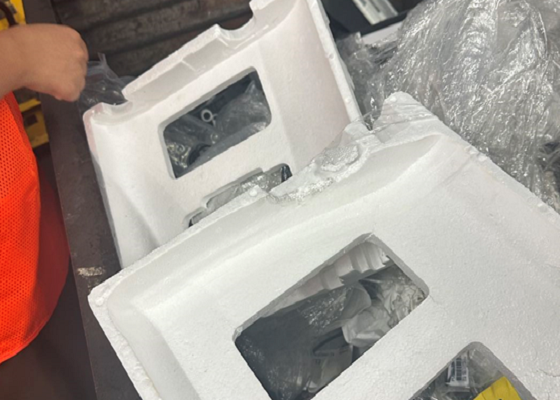
The problem is that untreated EPS is extremely bulky. A truck filled with loose EPS foam is mostly transporting air, which increases freight costs, storage pressure and carbon emissions. When EPS is sent directly to landfill, it takes up valuable space and remains there for a very long time because it is not biodegradable. If foam waste is blown away during storage or transportation, it can break into small pieces, pollute waterways, affect urban cleanliness and create risks for wildlife. Burning or poorly handling EPS can also create air, soil and water pollution concerns. For manufacturers, retailers and logistics companies, unmanaged EPS waste is not only an environmental issue; it is also a cost, safety and brand reputation issue.
This is where a GREENMAX EPS recycling machine provides a practical solution. Instead of allowing loose foam to pile up, the machine crushes and compresses EPS into dense blocks. GREENMAX foam compactors can reduce EPS volume dramatically, with some models compressing foam to around 1/50 of its original volume, while densifier solutions can achieve even higher volume reduction. Once compressed, EPS blocks are easier to store, stack, load and transport. More importantly, these blocks can enter the recycling chain and be processed into pellets, picture frames, mouldings, insulation materials and other recycled plastic products. EPS recycling therefore changes the material from a disposal burden into a source of circular value.
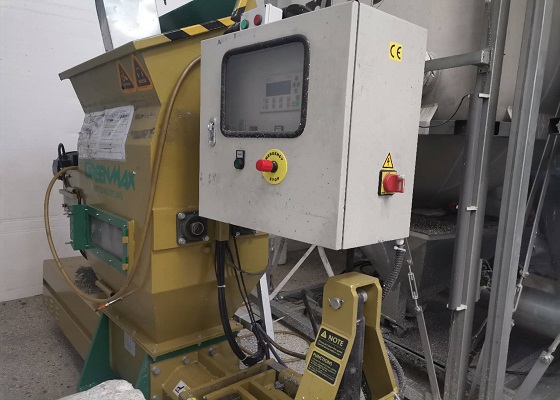
A good example is Whirlpool’s use of a GREENMAX EPS foam recycling machine for appliance packaging waste. Large home appliances often arrive with bulky EPS protection, and without an on-site recycling solution, the foam occupies significant factory or warehouse space. In the Whirlpool case, a GREENMAX compactor was installed to compress large EPS packaging pieces into compact foam blocks. After the machine was put into operation, the collection frequency was reduced from daily handling to about one shipment per month. This helped lower transportation costs, release storage space and reduce safety risks caused by foam accumulation. The case demonstrates how EPS recycling can deliver both environmental and operational benefits.
For companies that generate EPS waste every day, the key is to build a simple and stable recycling process. Workers can collect clean EPS packaging, feed it into the GREENMAX EPS recycling machine, and store the compressed blocks for later shipment. Compared with sending loose foam to landfill, this process requires less space, fewer transport trips and better waste control. It also supports corporate sustainability targets, especially for businesses serving markets where customers, retailers and regulators are paying closer attention to packaging waste.
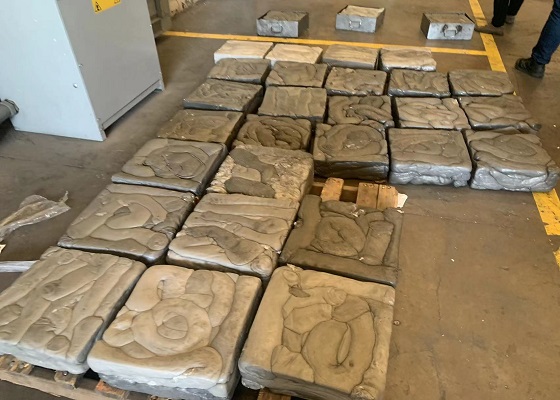
INTCO Recycling, the company behind GREENMAX, also supports the downstream side of EPS recycling by purchasing compressed EPS blocks and turning them into recycled products. According to INTCO information, the company recycles about 100,000 tons of waste EPS each year and helps reduce around 300,000 tons of carbon emissions. This closed-loop model is important because recycling equipment alone is not enough; companies also need a reliable outlet for the recycled material.
EPS recycling is a realistic path to reduce pollution, save logistics costs and improve resource efficiency. If EPS is not recycled, it becomes a long-term environmental burden. If it is collected, compacted and reused, it becomes valuable raw material. With GREENMAX EPS recycling machine, businesses can make foam waste smaller, cleaner, easier to transport and more profitable, while contributing to a more responsible global recycling system.