 Select Language
 English
What to Look for in a Styrofoam Densifier for Business Use
Styrofoam densifier can turn loose EPS packaging into compact ingots that take up far less space and are easier to transport. For businesses handling foam regularly, this can reduce collection frequency, recover storage space and create a more practical route to recycling. The right machine, however, cannot be selected by compression ratio alone. The form of the waste, the amount generated and the requirements of the downstream recycler all affect which Styrofoam densifier will work reliably at a particular site.
Start with the Styrofoam Waste You Generate
Most Styrofoam densifiers are selected for expanded polystyrene, or EPS. Common waste streams include appliance packaging, furniture protection, electronics packaging, seafood boxes and production offcuts. Although these materials may all be EPS, they do not behave in exactly the same way. Thin packaging pieces pass through a crusher differently from thick moulded parts or insulation boards. The density, dimensions and cleanliness of the foam can affect feeding, crushing and melting.
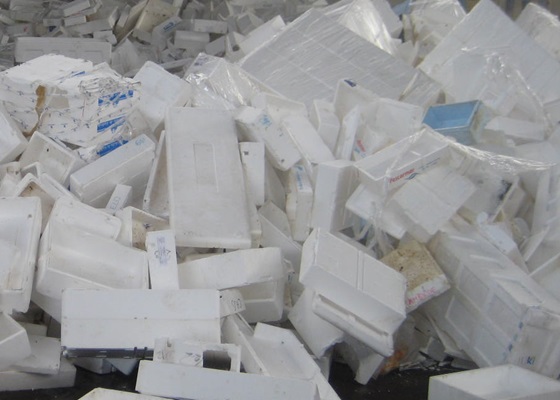
Some facilities also receive EPE, EPP or XPS foam. These materials should be identified before the machine configuration is confirmed. A densifier may process several types of foam when properly configured, but different polymers should remain separated if the output is intended for recycling. Testing samples of the actual material is one of the most reliable ways to confirm whether the crushing system, heating settings and screw design are suitable.
Check How the Styrofoam Densifier Reduces Volume
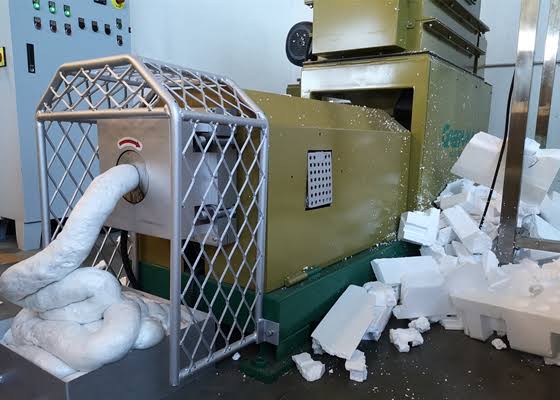
A thermal Styrofoam densifier first crushes EPS into smaller pieces. The material then enters a heated screw section, where it is melted and extruded into dense ingots.
GREENMAX foam densifier can reduce EPS volume by up to 90:1. This high reduction ratio allows businesses to store considerably more material in the same area and load more polystyrene by weight into each shipment.
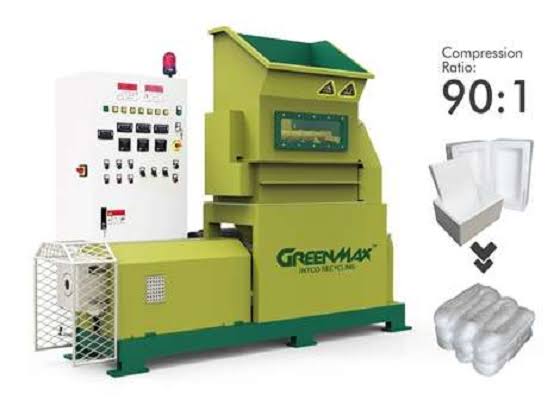
Actual performance depends on the foam density, moisture level, operating settings and consistency of the incoming material. When comparing equipment, it is useful to examine the finished ingots rather than relying only on the stated compression ratio. Stable, dense output is easier to stack, transport and process into recycled pellets.
Confirm the Outlet for Densified Styrofoam
The value of a Styrofoam densifier depends partly on what happens to the ingots after they leave the machine. Densified EPS can be crushed, melted, filtered and pelletized by a downstream recycler. The resulting recycled polystyrene may be used in picture frames, decorative mouldings, profiles and other rigid plastic products.
Before choosing equipment, businesses should confirm which materials a recycler accepts, the required output condition and the minimum collection quantity. Colour, cleanliness and whether different foam types have been mixed can all affect acceptance and value.
INTCO Recycling may purchase qualified densified foam according to its material condition, available volume and current purchasing requirements. Connecting equipment selection with a confirmed downstream route makes the recycling process more dependable.
Choosing the Right Styrofoam Densifier
A suitable Styrofoam densifier should match the actual foam material, processing volume and working conditions of the business. It should have enough crushing and melting capacity to prevent waste from accumulating, while producing ingots that meet the requirements of a downstream recycler.
For an accurate equipment recommendation, the supplier should review material samples, foam dimensions, monthly volume, site layout and the intended recycling route. This gives a more reliable basis for choosing a machine than comparing capacity or compression ratio on a specification sheet alone.
FAQ
1. What materials can a Styrofoam densifier process?
A Styrofoam densifier is mainly used for EPS. Selected configurations can also process materials such as EPE, EPP or XPS, but the actual foam should be tested before the equipment is confirmed.
2. How much can a Styrofoam densifier reduce EPS volume?
A GREENMAX thermal foam densifier can achieve a compression ratio of up to 90:1. Actual volume reduction varies with the density and condition of the foam.
3. Can densified Styrofoam be sold?
Qualified EPS ingots can be sold to specialised recyclers for further pelletizing and reuse. Acceptance and price depend on cleanliness, colour, quantity and local market requirements.