
 Select Language
 English
Using the GREENMAX Bottle Dewatering Machine P series to achieve dewatering of aluminum cans is an emerging recycling method.
In the process of solid waste recycling and resource regeneration, dewatering aluminum cans is an important procedure. Aluminum cans, typically used for beverage containers, often contain residual liquid when discarded. If effective dewatering is not conducted, it will affect subsequent processes such as compression, storage, transportation, and smelting operations. Although the Bottle Dewatering Machine was originally designed for plastic containers like PET bottles, with technical adjustments, it can also be efficiently applied to the dewatering of aluminum cans, providing effective support for metal recycling.
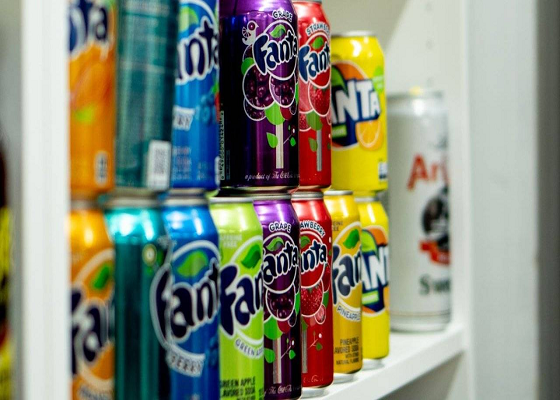
The Importance of Dewatering Aluminum Cans
Avoiding Secondary Pollution: Undewatered aluminum cans can leak during storage and transportation, causing contamination of other recyclable materials.
Improving Compression Efficiency: Aluminum cans containing liquid may burst during the compression process, compromising the quality of the bales and potentially damaging the compression equipment.
Reducing Transportation Costs: Liquid adds significant weight, so dewatering makes overall transport lighter.
Enhancing Recycling Value: Dry and clean aluminum scrap is more popular in the market and easier to integrate into formal smelting systems.
Bottle dehydrators improve the aperture of aluminum cans
Although traditional bottle labeling machines primarily target plastic materials like PET and HDPE bottles, their structure and functionality offer a degree of versatility and can be adapted for aluminum can labeling. Key advantages include:
Customizable discharge dryness
The dehydration speed and time can be adjusted as needed to achieve different drying standards, meeting the "clean aluminum" requirements of subsequent briquetting or smelting plants.
Low maintenance, moderate energy consumption
Compared to large industrial dehydrators, the bottle dehydrator is relatively compact, offers stable operation, low energy consumption, and easy maintenance, making it suitable for small and medium-sized recycling stations or regional recycling centers.
Typical Application Scenarios
Beverage Factory Recycling Process: Centralized processing of products during production or those taken off the shelf, mixing, and dewatering of bottles and cans.
Community Recycling Stations: Handling mixed recyclables, automatically sorting them before entering the dewatering process.
Bulk Waste Transfer Centers: Centralized dewatering of bulk recyclable aluminum cans to improve transfer efficiency.
Front-End Processing at Recycled Metal Facilities: The drying preparation stage before aluminum enters the melting furnace.
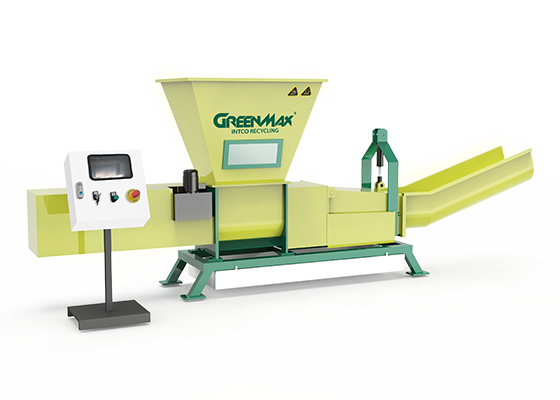
Although the Bottle Dewatering Machine was not originally designed for aluminum cans, it has become an effective tool for processing liquid-containing aluminum cans through process optimization. It demonstrates great potential in enhancing aluminum can recycling efficiency, reducing operational costs, and increasing material reuse rates. For companies or institutions looking to enhance the automation level of their resource recycling systems, such multi-functional dewatering equipment would be an ideal choice.