 Select Language
 English
Using Dewatering Machines to Improve PET Bottle Recycling Efficiency
In the PET bottle recycling industry, moisture is a quiet but costly problem. After collection, sorting, and washing, PET bottles are often still saturated with water. If this residual moisture is not removed effectively, it directly affects downstream processes, from shredding and flake quality to pelletizing and transportation. This is where a professional bottles dewatering solution becomes essential, especially for plants aiming to increase output, reduce energy consumption, and maintain stable product quality.
A dewatering machine is designed to mechanically remove water from PET bottles by high-speed squeezing and centrifugal force. Instead of relying solely on thermal drying, which consumes large amounts of energy, the dewatering machine focuses on physical extraction. Bottles are fed into the machine after pre-washing; inside the chamber, a high-speed screw shaft and perforated screen work together. The rotor presses, rubs, and spins the bottles, forcing residual water out through the screen holes. This bottles dewatering process can reduce moisture content from more than 30% after washing to less than 3–5%, depending on the material and setup.
For recyclers, this moisture reduction has several concrete benefits. First, lower water content means less weight, which directly reduces transportation costs when materials need to be moved between facilities. Second, drier PET bottles improve the efficiency of subsequent shredding and flake drying, since the flakes start with less moisture. This also shortens drying time and reduces the load on heaters and hot-air systems, cutting overall energy consumption. Third, stable moisture levels support more consistent final product quality, minimizing defects such as bubbles and surface imperfections in pellets or sheets produced from recycled PET.
GREENMAX dewatering machines are a representative solution in this field, specifically engineered for bottles dewatering in high-volume recycling lines. The equipment combines strong mechanical pressing with controlled rotation speed to ensure that the bottles are both compressed and spun efficiently. The stainless-steel construction, anti-blocking design, and easy-to-clean interior also match the demands of wet and sometimes contaminated post-consumer bottles.
One real-world case illustrates how GREENMAX dewatering machine technology can transform a PET recycling operation. A medium-sized recycler in Europe was struggling with high energy costs and unstable quality in its PET flake production. After washing, the bottles went directly to a thermal drying system. Moisture was still relatively high, so the dryer needed long residence times and high temperatures. This led to high electricity consumption, frequent maintenance, and occasional discoloration of the material.
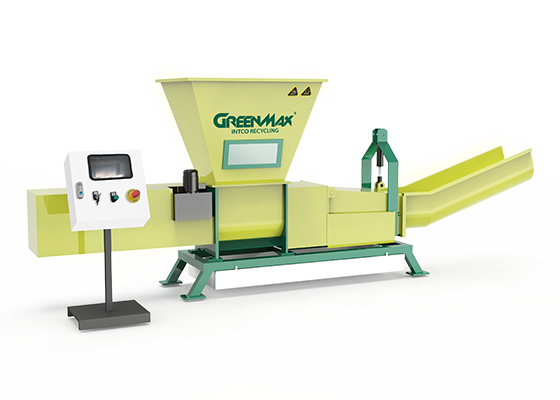
The company decided to integrate a GREENMAX bottles dewatering unit between the washing and drying steps. Once installed, the dewatering machine took over the main job of moisture removal. Incoming PET bottles with around 30% surface moisture were processed through the machine, where the squeezing and spinning action lowered this to around 3–4%. As a result, the existing thermal dryer only needed to perform a final moisture adjustment instead of doing all the work.
Within a few months of operation, the recycler recorded a noticeable reduction in energy consumption for the drying section, as well as a smoother, more stable production flow. The PET flakes showed more consistent quality, and the plant reported fewer stops caused by wet, sticky material blocking downstream equipment. In addition, because the GREENMAX dewatering machine compressed the bottles during processing, the recycler was able to handle a higher throughput with the same floor space, effectively increasing capacity without a major expansion.
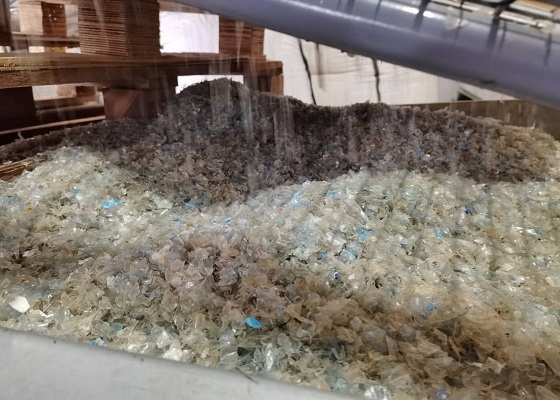
Environmental impact was also improved. By lowering energy demand for drying, the plant reduced its carbon footprint per ton of recycled PET. Less water needed to be heated and evaporated, and the extracted water could be collected and treated in the existing wastewater system. This case demonstrates how focusing on an apparently simple step—bottles dewatering—can strengthen both the economic and ecological performance of a recycling line.
As demand for high-quality recycled PET continues to grow in global markets, efficient moisture control will remain a key factor for recyclers. A well-designed dewatering machine, like the GREENMAX solution used in this case, helps plants get more value from each collected bottle. By combining robust mechanical design with effective bottles dewatering performance, recyclers can achieve higher output, better quality, and more sustainable operations across the entire PET recycling process.