 Select Language
 English
Turning EPS Waste into a Cost-Saving Resource with an EPS Compactor in the Netherlands
In the Netherlands, cost pressure is amplified by compliance. Dutch packaging rules apply extended producer responsibility (EPR): if you place packaging or packaged products on the Dutch market, you are responsible for the packaging through the waste phase, including reporting and paying the relevant packaging waste management contribution. This system is grounded in Dutch packaging legislation (the Packaging Management Decree, Besluit beheer verpakkingen), which sets requirements for packaging placed on the market. For many businesses, that reality changes the conversation from “Can we throw this away?” to “How do we control the total cost of EPS waste while staying compliant?
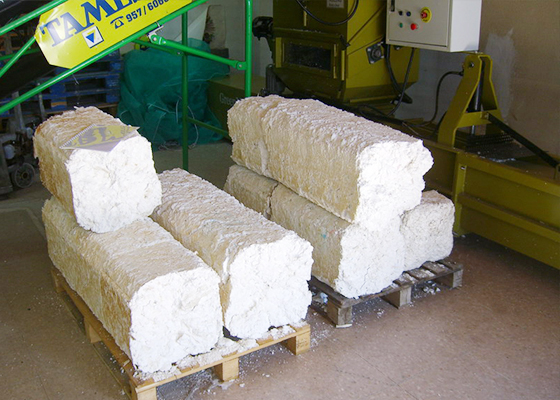
That’s where an EPS compactor becomes a finance tool, not just a recycling machine. When EPS is compacted into dense blocks, each pickup carries far more material, which lowers transport cost per kilogram. The same storage area suddenly holds weeks of EPS instead of days. And because the waste is cleaner and denser, it is easier to channel toward recyclers instead of paying landfill or incineration fees that keep climbing as operational and compliance burdens grow.
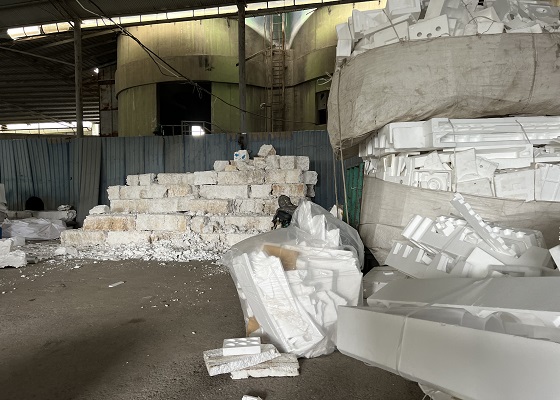
A practical example comes from a recent GREENMAX EPS compactor installation in the Netherlands. A Dutch distribution business handling imported goods was drowning in EPS protective packaging—too light to justify frequent pickups, yet too voluminous to store. Before the EPS compactor, they paid for multiple collections per week and regularly needed overflow bins. After deploying the GREENMAX EPS compactor, the company shifted to scheduled, less frequent collections because the EPS blocks were dense and predictable in size. The compaction also improved housekeeping and reduced the labor time spent breaking EPS and “air-managing” bins. What changed most was the cost math: fewer transports, fewer bin rentals, less wasted warehouse space, and a clearer path to recycling-grade output.
Just as important, the Netherlands offers government support through tax incentive schemes that can improve the ROI of eligible environmental investments. Under the MIA/Vamil schemes administered by the Netherlands Enterprise Agency (RVO), companies can deduct up to 45% of the investment cost (MIA) and apply flexible depreciation of up to 75% (Vamil), with the combined tax advantage potentially exceeding 14% of the investment amount—provided the asset meets the requirements on the applicable annual Environmental List. In practice, that means an EPS compactor purchase may be financially easier to justify when paired with compliant waste handling and reduced downstream costs.
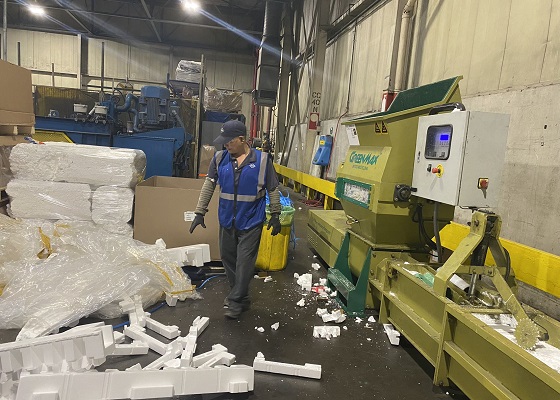
An EPS compactor doesn’t just reduce EPS—it reduces invoices: transport, storage, and disposal. In markets like the Netherlands, where EPR and reporting are part of day-to-day operations, the smartest EPS strategy is the one that makes waste smaller, logistics simpler, and recycling more economical. With a GREENMAX EPS compactor, EPS stops being a bulky expense and becomes a controlled, measurable flow—built around cost savings from the first block onward.