
 Select Language
 English
Turning Bulky EPS into Value: How a Styrofoam Hot Melting Machine Enables Efficient Recycling in the U.S.
Styrofoam, more formally expanded polystyrene (EPS), is everywhere in modern logistics: protective packaging for appliances and electronics, insulated boxes for seafood, and lightweight cushioning for e-commerce shipments. The problem is not that it can’t be recycled, but that it is mostly air. A truckload of loose EPS may weigh very little, yet it takes up enormous space, driving up collection costs and making recycling programs harder to sustain. This is where the styrofoam hot melting machine becomes a practical, on-the-ground solution for turning bulky foam waste into a stable, valuable material stream.
Hot melting technology works by applying controlled heat to EPS so that trapped air is released and the polymer is transformed into a dense, compact output. Instead of storing bags of foam that overflow bins and attract windblown litter, facilities can process foam continuously and produce solid ingots or blocks that are easy to stack, label, and ship. Because the volume reduction is dramatic, hot melting changes the economics of recycling immediately: fewer pickups are needed, less storage area is required, and transportation becomes efficient enough that downstream recyclers can consistently accept the material. In real operations, the difference is often felt the same week the equipment is installed, because the foam “mountain” disappears and becomes manageable inventory.
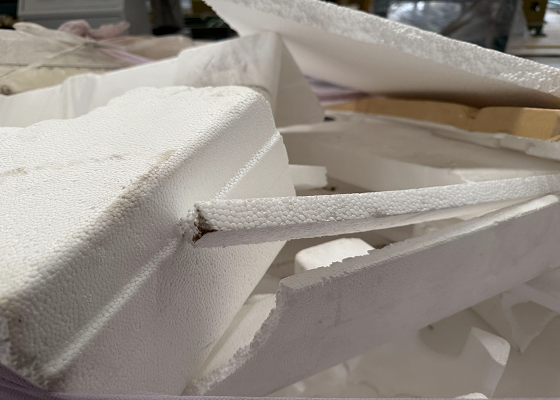
Compared with cold compaction, styrofoam hot melting has additional advantages that matter in daily plant life. Hot melting creates a denser output with better stability during handling and long-distance shipping, which reduces breakage and re-expansion concerns. It also helps standardize the recycled feedstock for buyers who reprocess EPS into products such as picture frames, building materials, or injection-molded components. For many facilities, another benefit is cleanliness and control: the material is contained in a processing chamber rather than being crushed into loose fragments that can spread around a workspace. When properly operated, the process can be integrated into an existing waste station with clear safety procedures and predictable throughput, giving operations teams a simple routine rather than an ongoing disposal headache.
A major reason companies adopt a styrofoam hot melting machine is that it turns “cost-to-haul” waste into “value-to-sell” material. Loose foam typically has negative value because it is expensive to collect, but dense melted blocks are a commodity recyclers can handle profitably. The result is a cleaner chain of custody: EPS is captured at the source, processed into a transport-friendly form, and routed to specialized recycling partners instead of being pushed toward landfill because it’s too inconvenient to move.
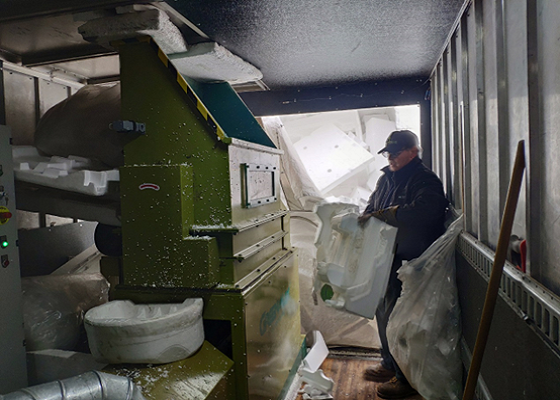
One GREENMAX case in the United States illustrates how this plays out. A mid-sized seafood distribution facility on the U.S. East Coast was receiving daily shipments packed in EPS insulated boxes and protective inserts. At peak season, the site was accumulating large bags of foam that filled a dedicated storage area and required frequent hauling. The facility partnered with GREENMAX to deploy a styrofoam hot melting machine near its receiving and unpacking zone so foam could be processed immediately after sorting. Within the first operating period, the team reported that the storage area previously used for loose EPS was largely recovered for core warehouse use, because the foam was no longer piling up faster than it could be removed.
Operationally, the change was straightforward: staff broke down clean EPS boxes, removed non-foam contaminants such as tape and labels, and fed the foam into the hot melting unit in steady batches throughout the day. The melted output was formed into dense blocks that could be stacked on pallets and stored neatly until pickup. Instead of multiple bulky collections each month, the facility shifted to fewer, more predictable shipments of compact material to a regional recycler. The facility also noted that reduced truck traffic and fewer emergency pickups made the waste program easier to schedule, while the improved material density helped them negotiate a more consistent outlet for the processed EPS.
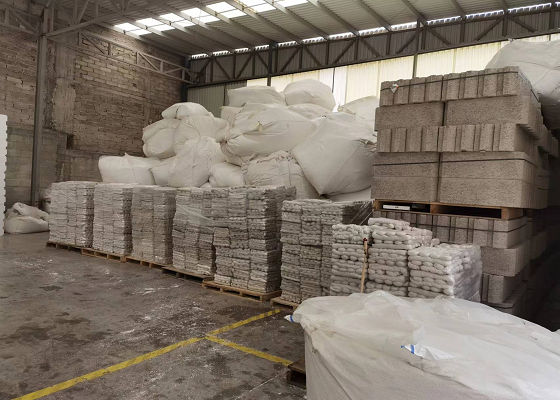
Beyond convenience, the sustainability impact was tangible. By converting foam on-site, the facility reduced the number of transport runs required for the same amount of EPS, lowered the chance of loose foam escaping into the environment, and supported a more circular pathway for packaging material. The lesson is simple: when EPS is treated like a lightweight nuisance, it stays a nuisance; when it is densified through hot melting, it becomes a manageable recycled feedstock.
For U.S. businesses dealing with high volumes of foam, adopting a styrofoam hot melting machine is less about adding a new piece of equipment and more about removing a persistent operational bottleneck. Hot melting technology makes EPS recycling realistic at scale by cutting volume, simplifying handling, stabilizing quality, and enabling reliable downstream recycling partnerships—all while keeping workplaces cleaner and logistics costs under control.