
 Select Language
 English
Styrofoam compactor: An efficient solution for waste management in packaging workshops in the United States
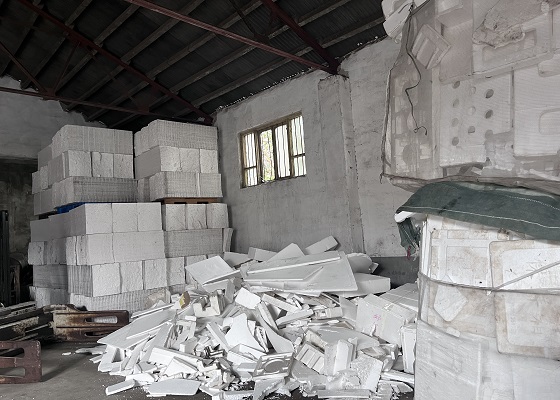
In the packaging workshops of industries such as electronics, furniture, and home appliances, the Styrofoam compactor is an essential material for protecting products, but once discarded, it becomes a frustrating "space killer." This type of foam has a density of only 30-50kg/m³ and occupies a large volume, taking up significant storage space. Moreover, high transportation costs make recycling economically unfeasible, forcing most workshops to choose costly landfilling, which increases expenses and pollutes the environment. The emergence of the Styrofoam Compactor has completely changed this situation by using physical compression technology to reduce waste volume, creating a closed-loop system of "low-cost recycling + resource regeneration" for packaging workshops.
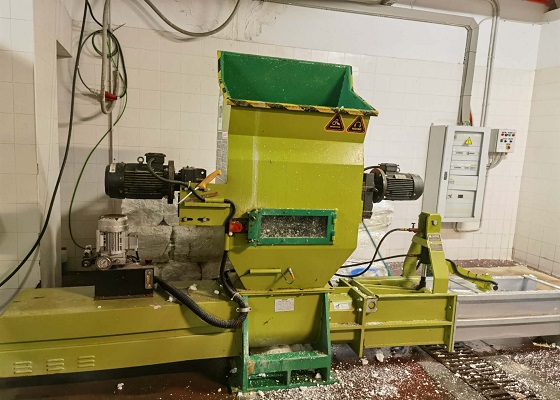
The 'Pain Point Terminator' of the packaging workshop: the working logic of the GREENMAX Styrofoam compactor
The Styrofoam compactor is designed for the characteristics of waste in packaging workshops, employing a cold-press technology process of "crushing pre-treatment + strong compression." The core idea is to use mechanical force to extrude the air from the foam, significantly reducing its volume. Its typical application process in the workshop is clear and efficient: first, there is immediate pre-treatment. Waste materials such as foam cushioning blocks and packaging liners generated in the packaging workshop can be directly fed into the compaction machine's inlet, where the built-in crushing device automatically breaks down large pieces of foam into 1-3 cm fragments.
Then the GREENMAX styrofoam compactor compression system can compress waste styrofoam to one-fiftieth of its original volume. This technology brings three core advantages: First, it saves space; second, it lowers costs, as the transportation efficiency of the compressed blocks increases by more than 50 times, significantly reducing waste disposal expenses; third, it turns resources into value, as the dense blocks become high-quality raw materials for recycling plastic plants.
US Practical Case: The Cost Turnaround Journey of a Certain Distribution Center
An American company, as a globally renowned electronic enterprise, processes a large volume of printers, copiers, and other equipment daily at its distribution center, and the styrofoam packaging waste generated used to be a "heavy burden" for operations. Previously, loose foam needed to be frequently removed, occupying nearly 1/5 of the temporary storage area in the warehouse, and the annual waste disposal bill exceeded six figures in USD, with increasing pressure for environmental compliance.
To solve the dilemma, the distribution center introduced the styrofoam compactor, which quickly changed the waste disposal landscape with an ultra-high compression ratio of 50:1. According to the workshop manager, after the equipment was put to use, what originally required 49 trucks to transport loose foam could now be loaded onto just one truck. More importantly, the annual waste disposal cost plummeted from a 'six-figure' amount to about $2,000, a reduction of over 98%.
.jpg)
The application of the styrofoam compactor has transformed waste disposal in the packaging workshop from an 'environmental burden' to a 'profit growth point.' It not only solves the challenges of space and cost through physical compression technology but also aligns with the global demand for a circular economy through its closed-loop model of 'reduction - recycling - regeneration.'