 Select Language
 English
Recycling Styrofoam Fruit and Vegetable Packaging with a Styrofoam Compactor in U.S.
Styrofoam, also known as expanded polystyrene (EPS), is widely used in the fruit and vegetable packaging industry because of its lightweight structure, excellent cushioning properties, and insulation performance. From fresh produce trays to protective boxes for transportation, styrofoam packaging plays an important role in keeping fruits and vegetables fresh during storage and distribution. However, the same characteristics that make styrofoam attractive for packaging also create serious challenges when it becomes waste. Its low density, large volume, and high transportation cost often prevent efficient recycling. This case study shows how a styrofoam compactor from GREENMAX helps a produce distribution center successfully recycle styrofoam fruit and vegetable packaging.
The client in this case is a mid-sized fruit and vegetable distribution company located in North America. Every day, large quantities of fresh produce arrive at the facility packed in styrofoam boxes and trays. After unpacking, the warehouse is left with a growing volume of used styrofoam packaging. Although the material is recyclable, the company previously struggled to manage it efficiently. Loose styrofoam took up valuable warehouse space, required frequent waste pickups, and generated high disposal costs. Sending uncompressed styrofoam to recyclers was not economical due to transportation inefficiencies, and landfilling conflicted with the company’s sustainability goals.
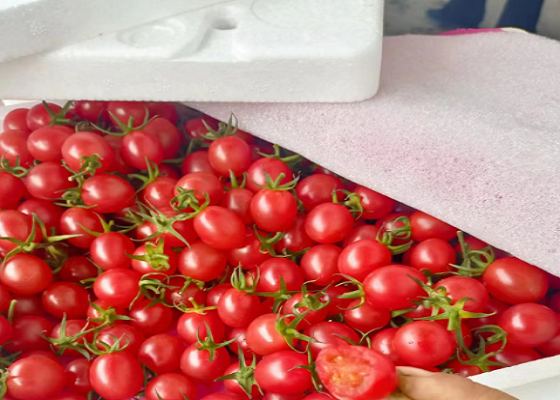
To address these challenges, the company began looking for a practical solution that could reduce the volume of styrofoam waste on-site and turn it into a recyclable material with real value. After evaluating several options, the company chose a styrofoam compactor from GREENMAX, a brand well known for its foam recycling equipment and proven performance in the recycling industry.
The GREENMAX styrofoam compactor was installed directly in the warehouse area where fruit and vegetable packaging waste was generated. Employees were trained to feed used styrofoam boxes and trays into the machine as part of their daily workflow. Once inside the styrofoam compactor, the material was crushed and compressed into dense blocks. This process dramatically reduced the volume of styrofoam, making it easier to handle, store, and transport.
One of the most significant advantages of using a styrofoam compactor in this case was the reduction in volume. The loose styrofoam fruit and vegetable packaging, which previously occupied large areas of the warehouse, was reduced by up to 90 percent after compaction. This freed up valuable floor space and improved overall warehouse organization. Instead of piles of bulky waste, the company now stored compacted styrofoam blocks neatly until collection.
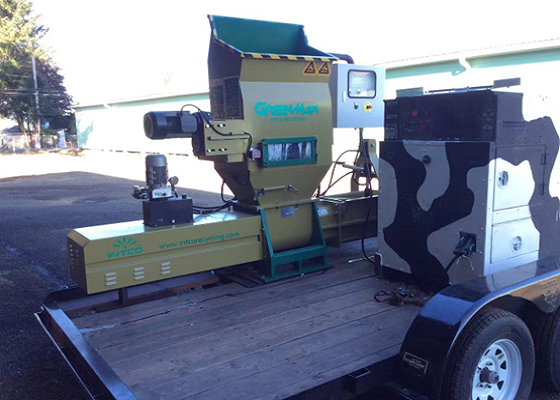
From an economic perspective, the styrofoam compactor delivered immediate benefits. Transportation costs were significantly reduced because more material could be shipped in a single load. Recyclers were also more willing to accept the compacted styrofoam, as the dense blocks were easier to process into recycled polystyrene raw material. In some cases, the company was even able to generate revenue by selling the compacted styrofoam instead of paying for disposal.
Environmental performance was another key outcome of this GREENMAX case. By using a styrofoam compactor to recycle fruit and vegetable packaging, the company diverted a large amount of waste from landfills. The recycled styrofoam was reprocessed into new plastic products, contributing to a circular economy and reducing the demand for virgin plastic. This aligned perfectly with the company’s sustainability commitments and helped improve its environmental image among customers and partners.
Operationally, the GREENMAX styrofoam compactor proved to be reliable and easy to use. The machine was designed for continuous operation in an industrial environment, making it suitable for the daily volume of packaging waste generated by the produce facility. Maintenance requirements were minimal, and the compacting process was safe and straightforward for employees. The integration of the styrofoam compactor into existing operations did not disrupt productivity, but instead streamlined waste management.
.jpg)
This case demonstrates that recycling styrofoam fruit and vegetable packaging is not only possible but also practical and profitable when the right equipment is used. A styrofoam compactor transforms lightweight, bulky waste into a valuable recyclable material. For businesses in the food, agriculture, and logistics sectors, this solution offers a clear path to reducing costs and environmental impact at the same time.
In conclusion, the GREENMAX styrofoam compactor played a critical role in helping this fruit and vegetable distribution company manage its styrofoam waste efficiently. By compacting used packaging on-site, the company reduced volume, lowered transportation and disposal costs, and supported sustainable recycling practices.