 Select Language
 English
Recycling Polystyrene Efficiently with a Polystyrene Densifier in U.S.
Expanded polystyrene (EPS), often referred to as “styrofoam,” is widely used in the United States because of its light weight, excellent insulation properties, and strong cushioning performance. However, EPS waste can quickly accumulate due to its bulky structure and low density. For many businesses, transporting loose EPS to recycling facilities is costly and inefficient. A polystyrene densifier offers an effective solution by compressing foam into dense blocks that are easier to store, transport, and recycle.
This article explores the industries using polystyrene in the United States, the sectors currently recycling it, the most common recycling methods, and real-world examples of companies using GREENMAX polystyrene densifiers.
Major Industries Using Expanded Polystyrene in the United States
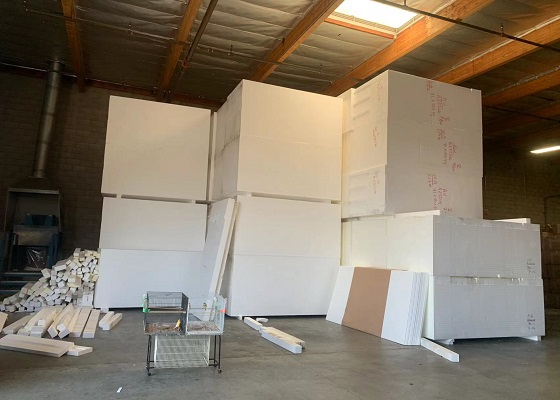
EPS is used across a wide range of industries because it is lightweight, moisture-resistant, and provides excellent thermal insulation and shock absorption.
Some of the most important industries using EPS include:1. Packaging and Logistics
The packaging industry is one of the largest users of polystyrene foam. EPS packaging protects fragile items such as electronics, appliances, and medical equipment during transportation. Loose-fill materials like packing peanuts and molded foam inserts are common examples.
2. Construction and Building Materials
EPS is widely used in construction as insulation boards, structural insulated panels, and geofoam for infrastructure projects. Its low weight and thermal performance help improve energy efficiency in buildings.
3. Food Service Industry
Disposable food containers, coffee cups, and takeout packaging are commonly made from EPS because it helps maintain food temperature and is lightweight for transport.
4. Electronics and Appliance Manufacturing
Manufacturers use EPS to protect televisions, computers, refrigerators, and other large appliances during shipping.
5. Cold Chain and Medical Logistics
EPS insulation boxes are widely used to transport temperature-sensitive pharmaceuticals, vaccines, and perishable foods.
Industries Currently Recycling Polystyrene
In the United States, polystyrene recycling is growing as companies focus on sustainability and waste reduction. Much of the recycling activity occurs through business-to-business systems, rather than traditional household recycling programs.Key sectors actively recycling EPS include:
Retail distribution centers handling large volumes of appliance packaging
Electronics manufacturers and warehouses generating packaging waste
Supermarkets and seafood distributors using insulated EPS boxes
Construction companies collecting EPS insulation offcuts
Recycling companies and waste management firms
These businesses typically accumulate clean EPS packaging waste, which can then be compacted and sold to recycling markets.
The Three Most Common Polystyrene Recycling MethodsThere are several ways to recycle EPS, but three methods are widely used in commercial recycling operations.
1. Mechanical Recycling
This method involves shredding and reprocessing EPS into new plastic products. Recycled polystyrene pellets can be used to manufacture items such as hangers, picture frames, or construction materials.
2. Thermal Densification
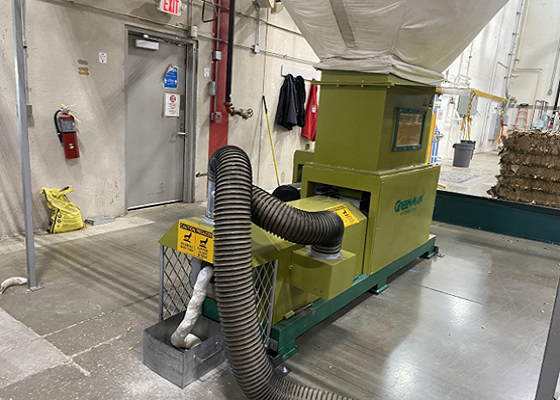
Thermal densifiers melt and compress EPS foam into dense ingots. These ingots can then be transported to manufacturers that produce recycled plastic products.
3. Cold Compression (Compacting)
Cold compression uses a polystyrene compactor to compress foam without melting it. The equipment reduces foam volume dramatically, turning bulky waste into compact blocks that are easier to transport and sell to recyclers.
Two U.S. Cases Using GREENMAX Polystyrene Densifiers
Case 1: Electronics Distribution Warehouse
A large electronics distribution warehouse in California handled large volumes of EPS packaging from televisions and computer equipment. Loose foam quickly filled dumpsters and required frequent hauling.After installing a GREENMAX polystyrene densifier, the warehouse was able to compress EPS waste into dense blocks. As a result:
EPS volume was reduced by up to 90%
Storage space requirements were significantly reduced
The company began selling densified EPS blocks to recycling companies
The investment helped the warehouse reduce waste disposal costs while improving sustainability.
Case 2: Seafood Processing and Distribution Company
A seafood distributor on the U.S. East Coast used EPS insulated boxes to ship fresh seafood. Every day, large quantities of foam boxes were discarded after unloading.The company installed a GREENMAX polystyrene densifier to process the used EPS boxes on-site. The densified foam blocks were then sold to plastic recyclers who used them as raw material for new plastic products.
This solution allowed the company to:
Lower landfill wasteReduce transportation costs
Generate revenue from recycled EPS
Advantages of Using a Polystyrene Densifier
A polystyrene densifier offers several advantages for businesses that generate large volumes of foam waste.1. Significant Volume Reduction
EPS foam is mostly air, which makes transportation inefficient. A densifier can reduce the volume of EPS waste by up to 90%, greatly improving handling and logistics.
2. Lower Waste Disposal Costs
By compressing foam into dense blocks, companies can reduce the frequency of waste pickups and lower landfill fees.
3. Create Recyclable Material
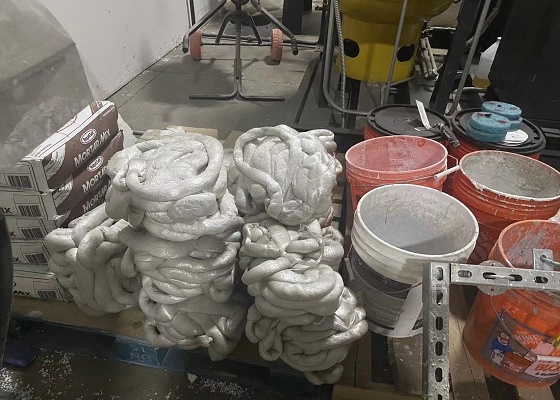
Densified EPS becomes a valuable raw material that can be sold to plastic recyclers.
4. Improve Workplace Efficiency
Compact foam blocks require much less storage space than loose foam packaging.
5. Support Sustainability Goals
Using a densifier helps companies divert foam waste from landfills and participate in the circular plastics economy.
Conclusion
Expanded polystyrene plays a critical role in many U.S. industries, including packaging, construction, food service, and cold-chain logistics. While EPS waste can be challenging to manage due to its bulky nature, recycling technologies such as polystyrene densifiers provide a practical solution.By compressing foam waste into dense blocks, businesses can reduce costs, improve operational efficiency, and contribute to sustainable recycling systems. With equipment such as the GREENMAX polystyrene densifier, companies across the United States are transforming EPS waste into a valuable recyclable resource.