 Select Language
 English
Polystyrene Hot Melt Machine: The Key Tool to Solve the Problem of Logistics Packaging Recycling
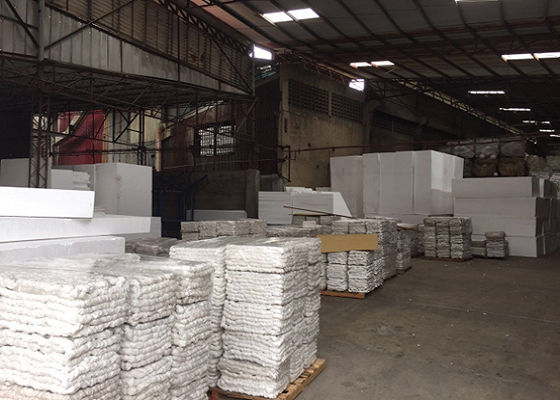
In the current rapid development of e-commerce and the logistics industry, polystyrene (EPS, commonly known as "foam plastic") has become the core packaging material for transporting electronic products, household appliances, fresh produce, and more, thanks to its lightweight, shock-absorbing, and low-cost advantages. However, the extremely low density of polystyrene (only 30-50 grams per cubic meter) and its strong resistance to degradation make it one of the most challenging environmental issues in the logistics industry – according to industry statistics, over 5 million tons of polystyrene packaging waste is generated annually in the global logistics field, with more than 90% being landfilled or incinerated, which not only occupies a vast amount of land resources but also releases toxic gases that pollute the environment. Against this backdrop, the emergence of the Polystyrene Hot Melting Machine provides an efficient and low-cost solution for recycling logistics packaging.
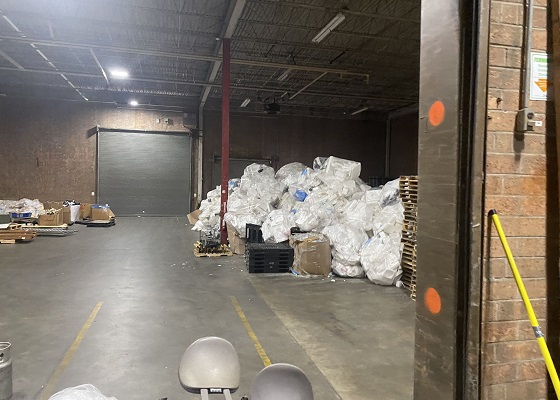
In the practical application of the logistics industry, polystyrene hot melting machines have shown strong adaptability. Large logistics hubs can configure fixed hot melting production lines along with automated feeding devices to achieve continuous processing 24 hours a day. Data from a well-known e-commerce logistics company shows that after introducing the Polystyrene Hot Melting Machine, its polystyrene packaging recycling rate increased from 15% to 82%, truly realizing the dual enhancement of 'environmental benefits' and 'economic benefits'.With the advancement of the 'dual carbon' goals and the tightening of environmental regulations, the 'green transformation' of the logistics industry has become an inevitable trend.
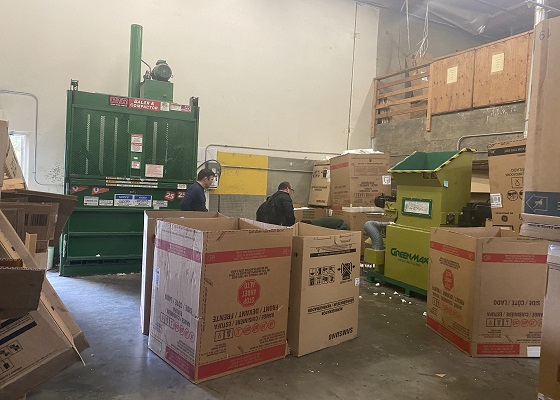
The polystyrene hot melting machine, as a key technology to address packaging waste issues, can not only help companies reduce environmental costs and enhance brand image but also promote the entire industrial chain to form an ecological model of 'resource recycling'. In the future, with the intelligent upgrading of equipment and the improvement of recycling systems, the goal of 'zero waste' in polystyrene packaging will gradually be achieved, providing stronger momentum for the sustainable development of the logistics industry.