 Select Language
 English
Polystyrene densifier: The key path for Europe to tackle white pollution and protect the soil
Polystyrene (PS) is widely used in packaging and construction due to its lightweight and insulating properties. However, it is difficult to degrade after disposal. Landfilling can damage soil structure, hinder water infiltration, and may release harmful substances that pollute groundwater. The polystyrene densifier reduces the volume of waste by 90 times through high-pressure compression technology, removing barriers to transportation and storage for recycling, and has become a key equipment in Europe for promoting the circular economy and protecting soil health.
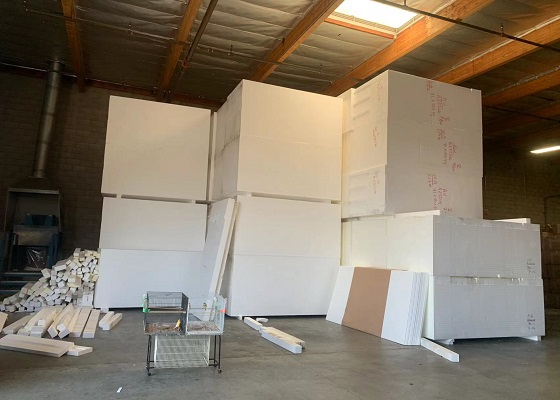
The EU Landfill Directive stipulates that by 2035, the municipal waste landfill rate must be reduced to below 10%, making densification technology crucial for compliance. The practice of Belgium's Indaver company is highly representative: their pre-treatment facility in Willebroek is equipped with multiple polystyrene densifiers, which compress PS waste such as yogurt cups and meat trays into high-density blocks, and then transport them to the Antwerp Plastics2Chemicals plant for pyrolysis treatment. This system has an annual processing capacity of 26,000 tons, reduces the transportation cost of compressed waste by 90%, and completely avoids the encroachment of traditional landfills on farmland in the Flemish region.