
 Select Language
 English
Polystyrene crusher: A powerful tool for recycling small foam packaging boxes
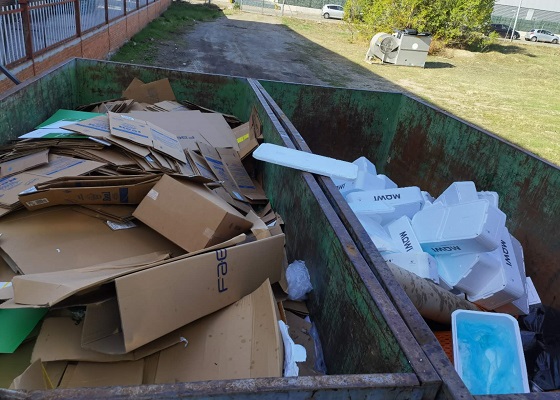
In the fields of e-commerce retail and express logistics, small-sized foam packaging boxes are widely used due to their lightweight and shock-proof characteristics. However, the problem of 'white pollution' caused by their disposal is becoming increasingly prominent. The polystyrene crusher, with its flexible and efficient features, has become an ideal choice for recycling this type of small waste, demonstrating significant value in recycling practices across many places in the United States.
Small volume foam packaging boxes are mostly made of polystyrene material, with individual volumes typically ranging from 0.5 to 5 liters, and the surface often adhering to impurities like tape and stickers. The processing flow for a polystyrene crusher is highly targeted: first, large impurities are removed through manual sorting, then the boxes are fed into the crusher's inlet, where high-speed rotating blades cut them into pieces of 1-3 centimeters in a sealed chamber. At the same time, an integrated airflow screening device separates lightweight impurities like paper and plastic films, resulting in pure polystyrene flakes. This crushing treatment reduces the foam volume by 40%-60%, making it easier for subsequent transportation and further compression or melting and recycling.
Compared to large recycling equipment, the advantage of the polystyrene crusher lies in its flexibility to adapt to small-scale recycling scenarios. Its footprint is only 2-3 square meters, and the power usually ranges from 1.5 to 5 kilowatts, making it suitable for places with limited space and lower waste generation, such as community recycling stations and small logistics points. At the same time, the purchase cost of the equipment is only 1/5 to 1/3 of that of large compactors, it is easy to maintain, and ordinary people can operate it after brief training, significantly lowering the threshold for small-scale foam recycling.
The 'Community Foam Recycling Program' in Portland, Oregon, USA is a typical example. In 2020, the local environmental protection department equipped 12 community recycling stations with small polystyrene crushers to encourage residents to bring their shipping foam boxes to the stations. The recycled foam pieces are regularly collected by partner companies, further compressed and sent to recycling plants where they are made into products such as picture frames and stationery. Data shows that in the first year of implementation, the program recycled approximately 8 tons of small foam boxes, reducing landfill space by about 40 cubic meters, and the participating community recycling stations saw a 35% increase in waste recovery rates due to reduced processing costs.
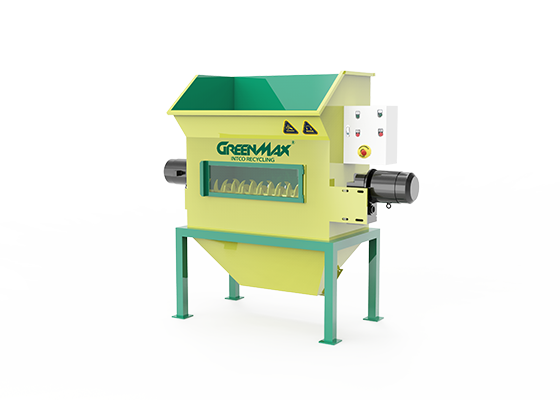
The application of the polystyrene crusher fills the technical gap in the recycling of small-volume foam packaging boxes. Its low cost and ease of operation transform scattered foam waste into usable resources, providing crucial support for building a "decentralized collection, centralized processing" foam recycling system. Its practice in the United States also offers a model that can be referenced by other regions.