 Select Language
 English
Polyethylene Foam Recycling: A Canadian Case of Turning Bulky Foam Waste into Reusable Material
Polyethylene foam recycling is becoming a priority for companies that handle large volumes of protective packaging. Polyethylene foam is valued for its cushioning and shock-absorption properties, which is why it is commonly used for electronics, furniture, medical products, and industrial components. The problem begins after delivery. Once the foam has served its purpose, it turns into a low-density waste stream that fills bins quickly and occupies valuable floor space. Even when a business wants to recycle it, transportation and storage costs can make the process feel inefficient. For many operations, the missing link is a practical way to reduce volume and create a more manageable form of material.
This is where a foam recycling machine plays a key role. In polyethylene foam recycling, the goal is not only to collect the material, but also to prepare it for downstream reuse. Loose foam is difficult to bale with traditional equipment because it can spring back toward its original shape. A foam recycling machine designed for this type of material can help produce denser output that stays compact, making it easier to store, palletize, and ship. When polyethylene foam recycling is treated as a consistent process rather than an occasional cleanup task, the material becomes easier to manage and more likely to be accepted by recyclers who need stable, predictable input.
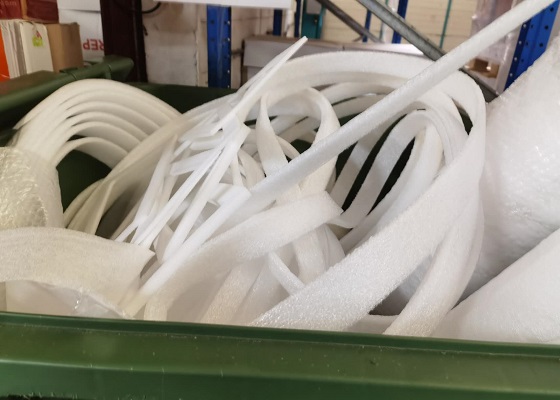
A real-world case from Canada shows how this transition can happen. A distribution and packaging facility in the Greater Toronto Area was receiving increasing amounts of polyethylene foam from inbound shipments and customer returns. The foam was clean enough to recycle, but it arrived in awkward shapes and large volumes. Staff initially tried to consolidate it in bags and schedule pickups when the storage area became full. Over time, this approach created recurring problems. The foam took up too much space, blocked workflow in the warehouse, and required frequent handling. Transportation providers also charged premium rates because trucks were essentially moving air.
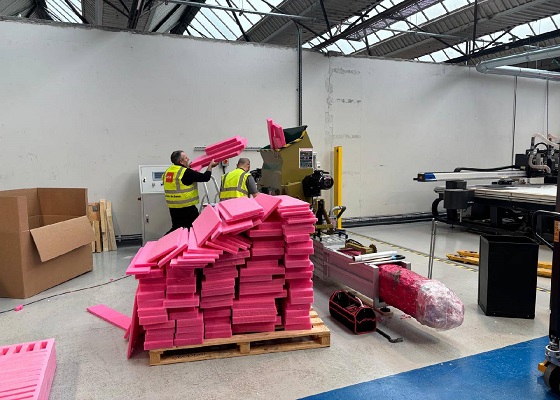
To make polyethylene foam recycling practical, the facility installed a foam recycling machine as part of its daily waste-handling routine. The company selected the equipment based on performance rather than brand name, focusing on steady throughput and the ability to keep compressed foam from expanding back. Once the machine was in place, workers fed polyethylene foam into it throughout the shift instead of stockpiling it. The output became a dense, stable form that could be stacked and stored neatly. This reduced clutter, improved housekeeping, and freed warehouse space that had previously been dedicated to loose foam storage.
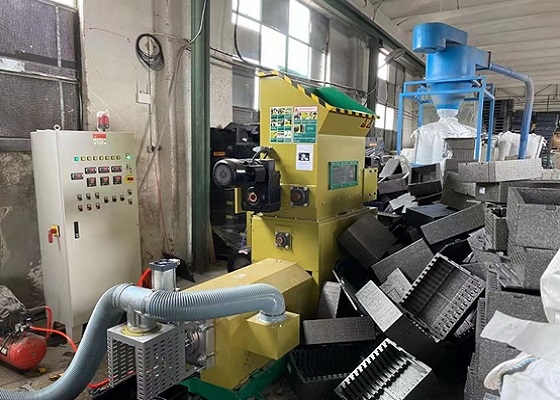
Over the following months, the facility reported smoother logistics. Pickups could be scheduled more predictably, and each load carried far more usable material. The company also gained more confidence in its recycling program because polyethylene foam recycling no longer depended on special cleanup days or extra labor. It became a normal part of operations, and the recycled material was easier to move into secondary markets where consistent handling and packaging matter.
Polyethylene foam recycling works best when the process is simple enough to repeat every day. The Canadian case illustrates that a foam recycling machine can turn a frustrating, bulky waste stream into an organized flow of recyclable material. By reducing volume, improving storage efficiency, and making transportation more cost-effective, polyethylene foam recycling becomes a realistic option for businesses that want both environmental and operational benefits.