 Select Language
 English
One GREENMAX Foam Recycling Machine for EPS, EPE and EPP Waste
Many manufacturers, distribution centres and recycling companies generate more than one type of foam waste. EPS is widely used for appliance and electronics packaging, EPE protects delicate products during shipping, while EPP is commonly found in automotive trays, reusable containers and industrial protective packaging. Although these materials have different physical properties, they share the same operational problem: they are lightweight, bulky and expensive to store and transport.
For companies handling mixed foam waste streams, purchasing a separate machine for every material can require more space, a larger investment and additional maintenance. GREENMAX provides a more flexible solution. Selected GREENMAX foam recycling machines can process EPS, EPE and EPP with one system, allowing customers to handle different materials according to their production schedules and recycling requirements.
A multi-purpose foam recycling machine does not mean that all foam materials should be mixed together during processing. To maintain the quality and value of the recycled material, EPS, EPE and EPP should normally be sorted and processed in separate batches. However, the same GREENMAX machine can be adjusted for different foam types, helping companies avoid investing in several independent recycling lines.
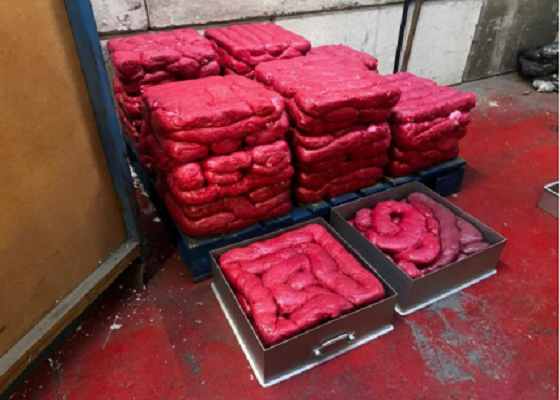
The GREENMAX MARS series uses crushing, heating and screw extrusion to reduce loose foam into dense ingots. EPS can be melted and compressed efficiently because of its rigid structure, while EPE and EPP can also be processed by adjusting operating temperatures, feeding speed and screw parameters. The resulting material occupies far less space than loose foam and can be stacked, stored and transported more efficiently.
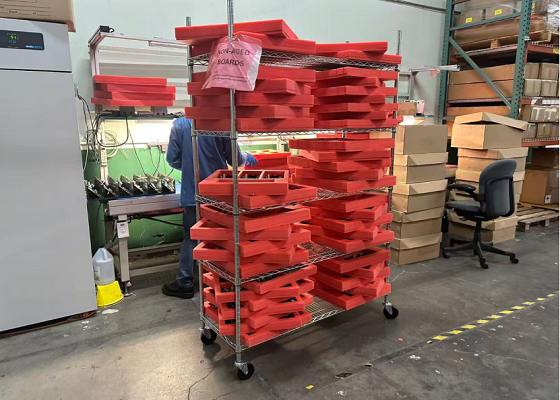
This flexibility is particularly valuable for electronics manufacturers, appliance distributors, automotive suppliers and professional recyclers. These companies often receive products packed in several foam materials. A television or computer shipment may include EPS corner protectors, EPE sheets and EPP components. Without on-site volume reduction, the waste quickly fills cages, containers and warehouse areas. Even when the foam is recyclable, low-density material is often uneconomical to collect because a truck carries more air than plastic.
By installing one foam recycling machine, a company can process EPS during one production shift, switch to EPE for the next batch and handle EPP when sufficient material has accumulated. This approach improves equipment utilisation while reducing the space required for waste management.
A Canadian electronics manufacturer provides a practical example. The company generated large quantities of protective packaging from servers, computers and other technical equipment. Approximately 70 to 80 percent of its foam waste consisted of EPS and EPE. Before installing recycling equipment, loose packaging occupied valuable warehouse space and required frequent collection.
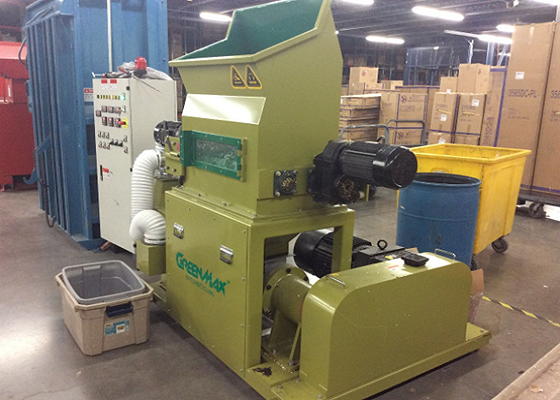
The company selected a GREENMAX MARS M-C50E foam densifier. The machine allowed the customer to process different packaging foams with one compact system. After crushing and thermal compression, the loose material was converted into dense ingots that were easier to stack and ship. As a result, the company reduced the number of waste collections, improved warehouse organisation and prepared the foam for downstream recycling.
The financial benefit did not come from only one source. Fewer collections meant lower transport and disposal expenses, while the dense recycled foam could be sold instead of being treated as general waste. The customer also avoided purchasing multiple machines for different foam types, helping control both initial investment and long-term operating costs.
Another example comes from an automotive-related facility in Japan. Automotive production and component logistics generate large quantities of EPP and EPO protective packaging. These materials are stronger and more elastic than ordinary EPS, making them difficult to compact with standard equipment. They may rebound after mechanical compression, creating unstable blocks that are inconvenient to store.
The facility adopted a GREENMAX MARS M-C300 system designed to process high-density EPP and similar foam materials. Through crushing, controlled heating and screw extrusion, the machine reduced the volume of the automotive packaging and produced dense recyclable output. The system also gave the customer the flexibility to process other compatible foam waste when required.
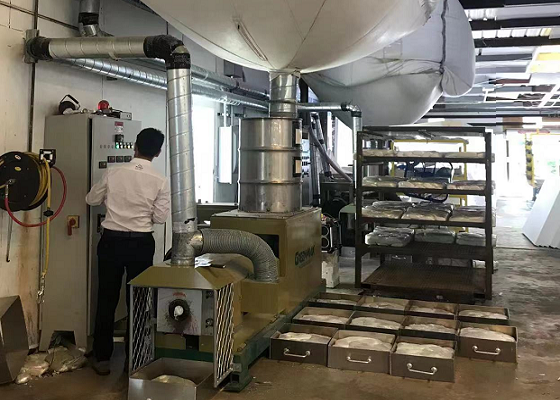
For automotive suppliers, this type of recycling system offers benefits beyond waste-volume reduction. Factory floor space can be used more effectively, waste-management areas remain cleaner, and fewer vehicles are required to transport the same quantity of plastic. These improvements support internal 5S management, environmental targets and customer sustainability requirements.
The greatest cost of untreated foam is often hidden in daily operations. Employees spend time breaking, bagging and moving loose material. Warehouses lose space that could be used for products or production. Collection vehicles arrive frequently but carry very little actual plastic. Disposal fees continue to increase even though the foam itself may have recycling value.
A GREENMAX foam recycling machine changes this process by turning bulky waste into a concentrated recyclable commodity. Depending on the material and machine configuration, the volume of foam can be reduced dramatically. More material can be loaded into each truck, which lowers transport costs per tonne and makes long-distance recycling more practical.
The processed foam can be delivered to recycling companies and converted into plastic pellets. These recycled pellets may be used to manufacture picture frames, decorative mouldings, plastic profiles, building products and other items. What was once an expensive waste stream can therefore become a secondary raw material with commercial value.
For businesses generating EPS, EPE and EPP, machine selection should consider the amount of each material, original density, contamination level, required output and available factory space. GREENMAX can conduct material testing and recommend suitable operating settings before equipment selection.
With one versatile foam recycling machine, companies can reduce equipment investment, lower collection costs and create value from several foam waste streams. Instead of allowing EPS, EPE and EPP to consume warehouse space and disposal budgets, GREENMAX helps businesses transform them into compact, transportable and marketable recycling resources.