
 Select Language
 English
How Polystyrene Densifier Reduces Storage and Transport Costs
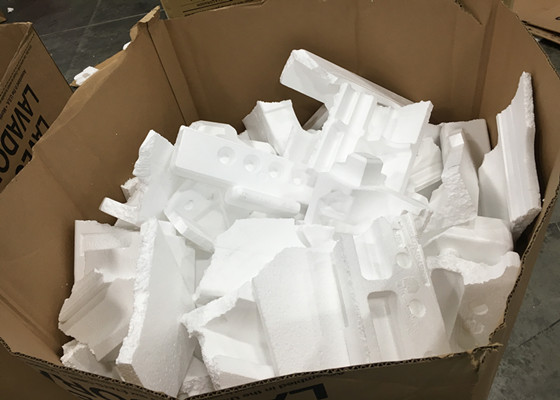
Polystyrene packaging is light, but storing it is rarely easy. Appliance retailers, electronics distributors, furniture companies and foam manufacturers can fill cages or entire storage areas with EPS after only a few deliveries.
The problem is its volume. Molded packaging pieces do not stack neatly, smaller scraps spread easily, and loose foam fills collection vehicles before they carry much actual plastic. Businesses end up paying for warehouse space, labour and frequent collections—not for the weight of the waste, but for the air inside it. A polystyrene densifier removes that air before the material leaves the site.
From Loose Foam to Dense Ingots
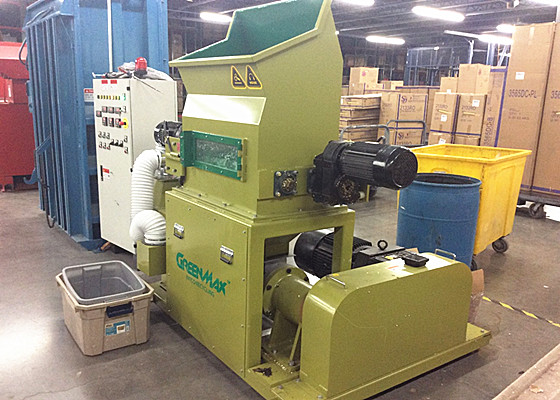
A polystyrene densifier first crushes the EPS into smaller pieces. The material then enters a heated screw, where it softens and fuses before being discharged as dense ingots.
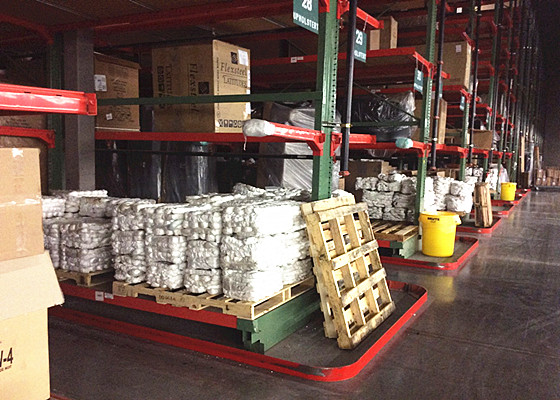
GREENMAX Polystyrene densifiers can reduce foam volume by up to 90:1, depending on the material and operating conditions. Instead of storing loose pieces in bags or cages, a business can place the finished ingots on pallets until enough material has accumulated for collection. Hot melting is suitable for clean EPS packaging and production offcuts. It can also handle some fine foam waste that may be difficult to form into stable blocks through cold compaction.
Recovering Warehouse Space
Loose EPS usually needs to be kept indoors. If stored outside, it can blow around, absorb dirt or become mixed with rainwater and other waste. Indoor storage protects the material but uses space that could otherwise hold inventory or support daily operations.
Processing the foam near the unpacking or production area prevents it from building up. Appliance and electronics distributors, for example, can separate EPS from cardboard, film and general waste as products are unpacked. The foam can then be densified regularly instead of being moved to a large temporary storage area.
Foam manufacturers can use the same approach for cutting waste and rejected products. Offcuts move from production to the densifier, while the resulting ingots occupy only a small section of the warehouse.
Lowering Transport Costs
Transporting loose polystyrene often means paying to move a vehicle filled mostly with air. A truck reaches its volume limit long before its weight limit, so even a relatively small amount of EPS may require frequent collection.
Dense ingots make each shipment more efficient. More material can be loaded into the same vehicle, allowing businesses to reduce collection frequency and accumulate a more practical quantity for a recycling partner. The ingots are also easier to handle. They can be stacked on pallets and moved with standard warehouse equipment. There is less need for large bags or cages, and the material is less likely to break apart during loading.
US Appliance Company's EPS Foam Recycling
A US appliance company was dealing with a regular supply of EPS packaging from refrigerators, washing machines and other large household products. The foam was clean and recyclable, but its size created a storage and handling problem.
The company used GREENMAX Polystyrene densifier M-C100, which has a processing capacity of up to 100 kg per hour. The machine crushes and melts the packaging foam, reducing its volume by up to 90:1.
Instead of allowing loose packaging to occupy the warehouse, the company can process it on site and store the output as compact ingots. More material can then be included in each recycling shipment, making transport more practical. EPS already had recycling value, but its loose form made collection inefficient. Densification gave the company a workable route from unpacking to storage and onward recycling.
Polystyrene densifier is most useful for businesses that generate EPS consistently and already spend too much time or space managing it. The decision should be based on waste volume, collection frequency, storage pressure and access to a buyer for the processed material. For these businesses, the main benefit is practical. Loose foam stops dominating the warehouse, fewer vehicles are needed to move the same amount of polystyrene, and the material reaches recyclers in a form they can handle more easily.