
 Select Language
 English
How Furniture Retailers Dispose EPS Foam Packaging
For most furniture retailers, disposing of EPS foam packaging means paying a hauling charge for material that fills space and weighs almost nothing. Three routes are in common use: an open-top container to landfill through a waste contractor, collection by a recycler, and on-site volume reduction before the material leaves the building. Which one a retailer lands on has less to do with preference than with how much foam it generates and what the local market charges.
Boulevard Furniture, a retailer serving Utah and Nevada, reached that decision point as its packaging volume grew and its bins started filling every few days. The bin charge, not the machine, is what usually starts the conversation.
The Real Cost of Disposal
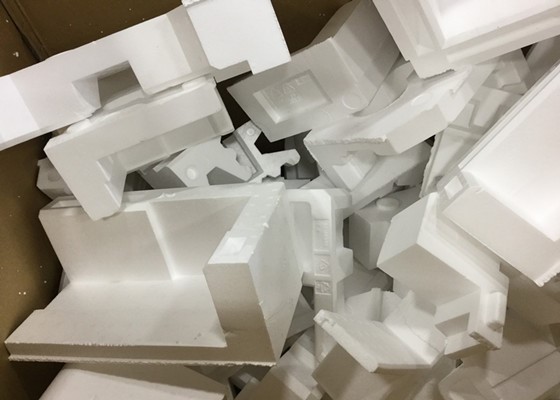
The clearest measure comes from a retailer that tracked it closely. Boulevard Furniture's waste EPS filled several trash bins every few days, with disposal running at 200 to 300 dollars per bin. That figure is paid repeatedly, on a schedule the retailer does not control, for material that is almost entirely air. Those charges also exclude the internal cost. Foam occupies warehouse space that could hold inventory, staff have to carry it to the container, and a container that is not emptied on time disrupts the operation. None of that appears on the disposal invoice, but it is where the pressure is usually felt first.
Volume Reduction On Site Changes the Numbers
A foam densifier heats and compresses EPS through a screw, turning loose packaging into dense blocks that stack and ship in a fraction of the original space. The immediate effect is fewer container pulls and less storage space tied up, which is where the cost comparison starts.
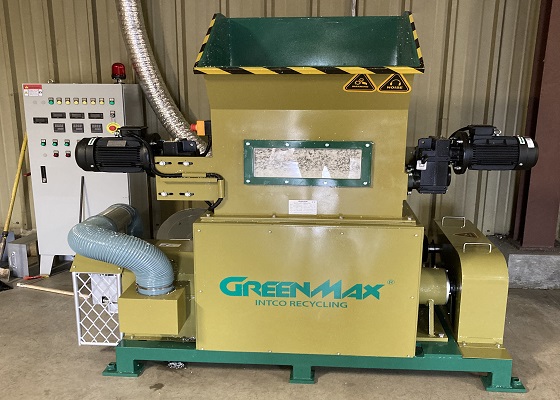
The second effect is on the material itself. Compacted EPS blocks are a tradable commodity, and INTCO Recycling buys them back, which is what draws retailers comparing disposal against recovery. The blocks are granulated into recycled pellets and return to manufacturing as raw material for frames, baseboards and similar products rather than going to landfill.
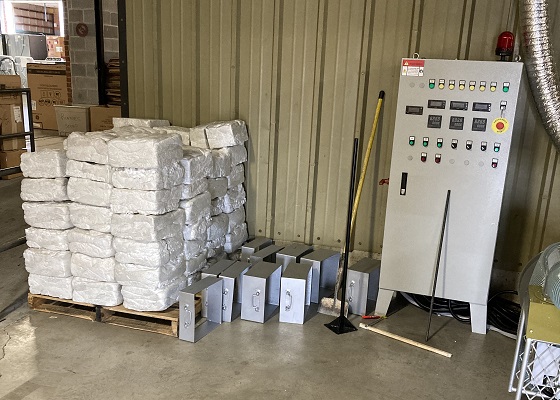
Deployment is usually staged by volume. Retailers tend to install the machine at the location generating the most foam first and add sites as the program proves itself. Feeding is the detail to plan for, since molded corners and large panels usually need a conveyor or a pre-crusher rather than being dropped into a hopper by hand.
How One US Furniture Retailer Changed Its Disposal Route
Boulevard Furniture has been growing steadily, and its EPS packaging volume grew with it. Over time the used foam filled several bins every few days, each one carrying a disposal charge of 200 to 300 dollars, and managing that material became a recurring operational burden rather than an occasional inconvenience.
The company went looking for an effective EPS recycling solution and found GREENMAX through INTCO Recycling. Two parts of the offer mattered to a retailer in that position: GREENMAX supplies the recycling equipment and the consulting that goes with it, and INTCO purchases back EPS scraps at a good price. That combination moved the material from a repeated disposal charge to an on-site process, which is the step that most retailers are looking for once their bin costs become visible on the monthly numbers.
Disposal is a manageable cost until volume turns it into a visible one, and the crossover point differs for every retailer. The practical starting move is a simple count: how much packaging foam is generated each month, what the current container or collection service costs, and how many hours of staff time go into handling it. Where that total is steady and rising, volume reduction is worth pricing out.