 Select Language
 English
How a GREENMAX Foam Recycling Machine Helps Improve EPS Recycling
Expanded polystyrene, commonly known as EPS foam or Styrofoam, remains widely used across the United States for protective packaging, home appliances, furniture, electronics, seafood transportation, construction and many other applications. At the same time, the recycling infrastructure for EPS continues to develop. In May 2026, the Polystyrene Recycling Alliance reported that a recent end-market study identified 81 companies and approximately 119 facilities in the United States and Canada that handle expanded or extruded polystyrene foam. More than half of these facilities were manufacturing end markets using recovered EPS or XPS as feedstock for new packaging or consumer products. The organization also cited a network of more than 700 EPS drop-off locations supported by commercial and business-to-business collection channels.
The latest industry-wide recycling benchmark for EPS transport packaging comes from the 2022 recycling survey conducted by Resource Recycling Systems. The report found that 168.6 million pounds of EPS were recycled, including 61.6 million pounds of post-consumer material, resulting in a reported post-consumer recycling rate of about 31% in North America. The total was substantially higher than the 136.8 million pounds recorded in 2019.
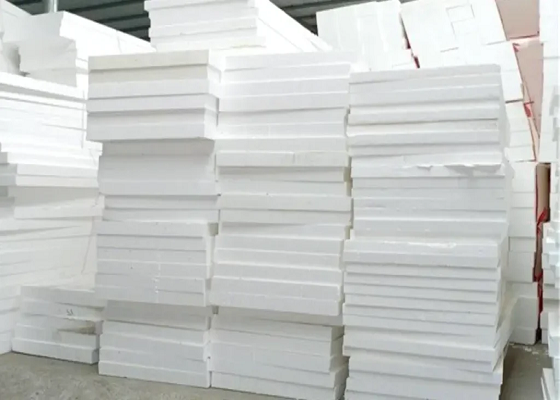
These developments show that EPS recycling is becoming more established, but one major challenge remains: transportation. EPS contains a large amount of air, which makes loose foam extremely bulky compared with its actual weight. A truck filled with untreated EPS may carry relatively little plastic material. For manufacturers, retailers, distribution centers and recycling companies, this can lead to frequent waste collections, high transportation expenses and limited warehouse space.
Why a Foam Recycling Machine Is Important for EPS WasteA professional foam recycling machine helps solve the volume problem directly at the point where EPS waste is generated. Instead of storing large piles of loose foam or continuously paying for waste containers, businesses can process EPS into dense material that is easier to store, transport and recycle.
GREENMAX develops foam recycling equipment specifically for EPS and other lightweight foam materials. Depending on the condition of the waste and the customer's recycling requirements, EPS can be processed through cold compression or hot-melting densification.
The GREENMAX APOLO series uses screw compression to compact loose EPS into dense blocks. According to GREENMAX product information, this process can achieve a volume reduction ratio of approximately 50:1. For companies generating clean packaging foam, a compactor can provide a practical way to reduce storage requirements without melting the material.
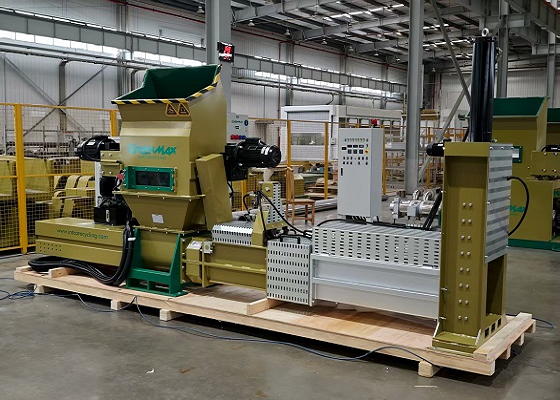
For businesses requiring greater volume reduction, the GREENMAX MARS series uses hot-melting technology. EPS is first crushed, then heated and extruded into dense ingots. GREENMAX states that its hot-melting foam densifier can achieve a volume reduction ratio of up to approximately 90:1, making the final material significantly easier to transport over longer distances.
Choosing the right foam recycling machine therefore depends on waste volume, material cleanliness, available operating space, transportation distance and downstream recycling requirements.
Turning Bulky EPS Into Recyclable Material
The value of EPS recycling goes beyond simply making waste smaller. Once compacted or densified, EPS becomes a much more manageable recyclable commodity. Dense EPS blocks or ingots can be transported to recycling facilities where they can be further processed into recycled polystyrene raw material.This approach is particularly suitable for businesses that generate EPS continuously. Appliance retailers often receive refrigerators, televisions and other products protected by molded EPS packaging. Furniture warehouses and logistics companies encounter similar packaging waste every day. Seafood distributors also use EPS boxes because of their lightweight structure and insulation performance.
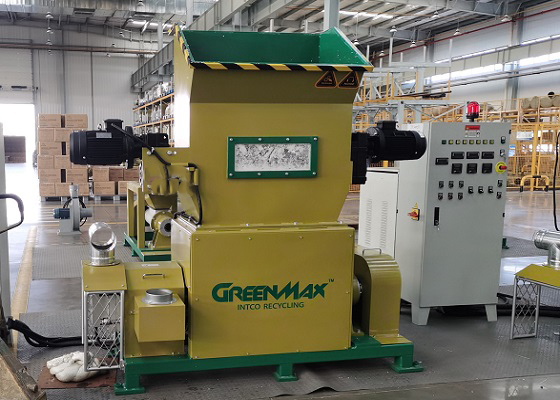
In these environments, installing a foam recycling machine close to the waste generation point can create a much more efficient workflow. Employees can collect the EPS, remove contaminants such as tape or labels when necessary, feed the material into the recycling equipment and convert it into compact output. Instead of allowing loose foam to occupy valuable warehouse space, businesses can organize the processed material on pallets for easier handling and transportation.
This type of business-to-business recycling system is important in the U.S. market. Industry research has found that EPS recycling often takes place through commercial contracts, specialized drop-off locations and other alternative collection channels rather than conventional residential curbside programs.
GREENMAX Supports Practical EPS Recycling
GREENMAX specializes in foam recycling equipment, including foam compactors and foam densifiers, and provides solutions for EPS, EPE, EPP, XPS and other foam materials. GREENMAX is a recycling machinery brand of INTCO Recycling, which also participates in the recovery and reuse of recycled foam materials.
For companies considering EPS recycling, the objective should not simply be purchasing a machine. The more important question is how to build an efficient recycling process around the actual waste stream. A suitable foam recycling machine should match the daily volume of EPS, the type of packaging being processed and the company's available labor and space.
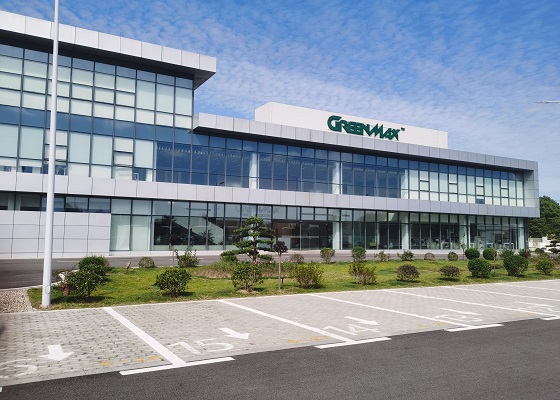
As EPS recycling infrastructure and end markets continue to expand in North America, businesses have more opportunities to treat used foam as a recyclable resource rather than ordinary waste. The latest industry developments show that collection networks and manufacturing end markets are already growing. By reducing the biggest logistical obstacle—the extremely low density of loose EPS—a GREENMAX foam recycling machine can help manufacturers, retailers, seafood processors and recyclers improve waste handling, reduce transportation requirements and prepare EPS for further recycling.
For businesses that generate large amounts of EPS packaging every day, on-site volume reduction can be an important first step toward a more practical and economically sustainable recycling program.