 Select Language
 English
GREENMAX Styrofoam Densifier Is a Worthwhile Investment for Foam Recycling Businesses
EPS foam, often referred to as Styrofoam, is widely used in appliance packaging, electronics protection, furniture logistics, cold-chain boxes and other commercial applications. It is lightweight and effective, but once the packaging has served its purpose, the loose foam quickly fills waste containers and storage areas.
The material can be recycled, although transporting it in its original form is rarely economical. A truck may be full long before it reaches a useful load by weight. For businesses that generate or collect EPS regularly, reducing the volume at the source is often the first step towards a workable recycling process.
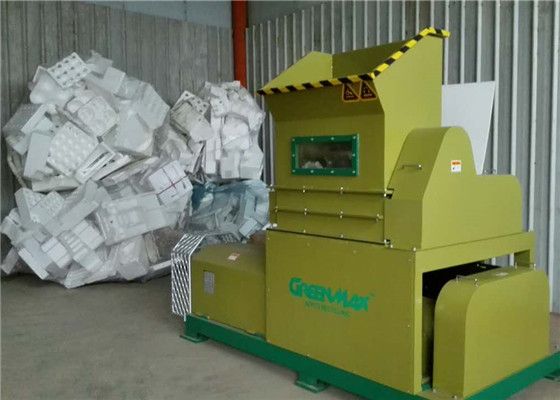
GREENMAX Styrofoam densifier processes loose EPS into compact ingots, reducing its volume by up to 90:1. This allows more material to be stored and transported in each load while preparing it for downstream recycling.
How a Styrofoam Densifier Processes EPS Foam
A Styrofoam densifier uses crushing and controlled heating to reduce EPS waste. The foam is fed into the hopper and broken into smaller pieces before entering a heated screw section. The material then softens and is pushed out as dense ingots.
Heat collapses the cellular structure that gives EPS its large volume. The resulting ingots are solid, compact and easier to stack than loose packaging foam. Depending on the density and condition of the incoming material, the hot-melt process can achieve a volume reduction of up to 90:1.
The machine can be operated close to the area where foam is collected, reducing the need to move loose material repeatedly around a warehouse or recycling facility.
How a Styrofoam Densifier Reduces Recycling Costs
The value of a Styrofoam densifier comes mainly from changing the way EPS waste is handled. Loose foam requires frequent collection, even when the actual weight of each load is low. It can also occupy space intended for products, pallets or other recyclable materials.
Once densified, the EPS takes up only a fraction of its original volume. Businesses can accumulate a more practical shipment weight without allowing loose foam to take over the site. Fewer collections may also reduce transport and handling costs.
The return will be different for every operation. Sites with regular EPS volumes, high disposal charges or limited storage space generally have a stronger reason to process the material themselves. For smaller operations, the amount collected each month and the distance to the recycling outlet should be considered before choosing a machine.
GREENMAX Styrofoam Densifier for Different Recycling Operations
EPS waste does not arrive in the same form at every site. A furniture distributor may handle large protective blocks, while an electronics recycler may receive smaller molded packaging from many different products. Foam manufacturers usually deal with cleaner production scrap and generate it more consistently.
For this reason, the equipment configuration should reflect the actual material and working conditions. The amount of EPS, the size of the foam pieces, feeding method, available space and daily operating time can all affect the choice of Styrofoam densifier.
For example, a furniture logistics operation with limited floor space may require a compact machine that can process packaging foam as it accumulates. A recycling facility receiving EPS from several commercial sources may need a larger feeding area and greater crushing capacity. Both sites use the same hot-melt principle, but the practical setup may be different.
GREENMAX can test representative EPS samples and configure the crushing, heating and screw sections according to the material being processed.
Recycling EPS Ingots from a Styrofoam Densifier
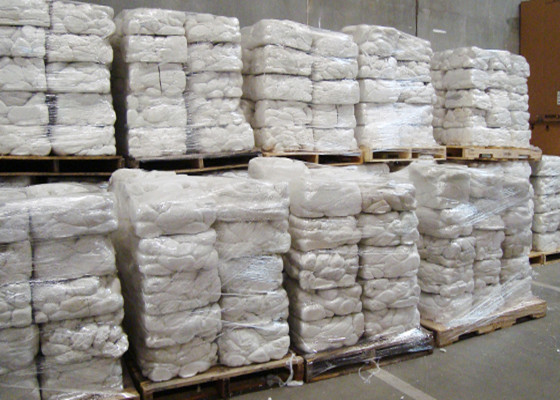
After hot-melt densification, the EPS ingots can be palletized and sent to a downstream recycling facility. They are then granulated and processed into recycled polystyrene raw material.
This recycled material can be used to manufacture products such as picture frames, decorative mouldings and plastic profiles. Densification does not complete the entire recycling process, but it makes the collection and transportation stage more practical.
INTCO Recycling may purchase qualified EPS ingots according to their quality, quantity, location and current purchasing requirements. Confirming the downstream outlet before starting a foam recycling project helps connect onsite processing with the next stage of material reuse.