 Select Language
 English
GREENMAX Polystyrene Densifier Recycling for Expanded Polystyrene in Asia
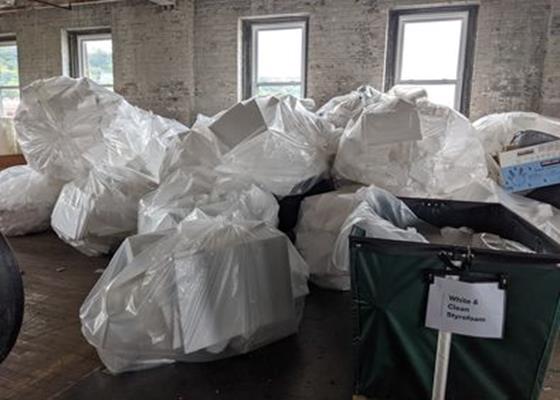
Expanded polystyrene (EPS) is everywhere in Asian logistics, seafood distribution, appliance packaging, and temperature-sensitive deliveries. Its performance is excellent, but its end-of-life handling is notoriously inefficient because the material is mostly air. Without volume reduction, collection points fill up quickly, trucks move “empty space,” and recyclers struggle to secure steady, economical feedstock. Densification changes that equation by converting loose foam into compact material that can move through existing recycling networks at a reasonable cost.
Recent public reporting suggests that EPS recycling outcomes in Asia can be relatively strong compared with many other regions, especially where separate collection and commercial backhauls are well established. A Global EPS Sustainability Alliance environmental profile notes that Japan, China, and South Korea have EPS packaging recycling rates above 50% (using an ISO-based recycling calculation approach), indicating that mature collection and processing infrastructure already exists in parts of the region. The same source describes an India program that expanded across multiple metro areas and recycles about 1,000,000 kg of EPS per month, showing that high-throughput collection is feasible even in complex urban settings when partnerships align. In South Korea specifically, research on EPS packaging flows indicates that in 2019 roughly 47,000 tons of EPS were sold and ultimately discharged into plastic waste streams, underscoring both the scale of the challenge and the opportunity for capture when collection is designed well.
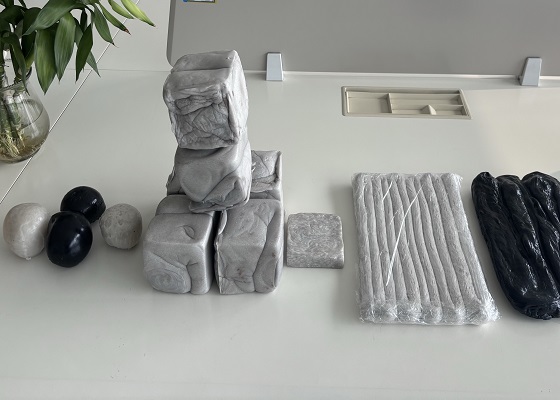
A polystyrene densifier supports these systems by solving the “volume-to-value” gap. In practice, it compresses or thermally reduces EPS into dense blocks or ingots that are easier to stack, store, and ship. This stabilizes quality for downstream processors, lowers transport cost per ton, and makes it realistic to aggregate material from decentralized sources such as markets, warehouses, and municipal drop-off points. Densification also reduces litter risk during handling because the foam is no longer breaking into light fragments.
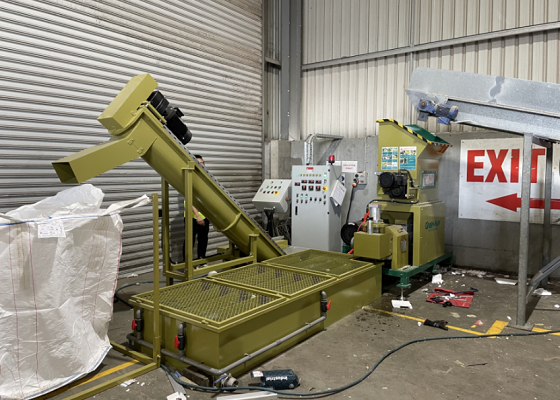
Japan offers a concrete example of how densification integrates into real-world collection. JEPSA reports that used EPS in Japan maintains a very high effective utilization rate, with 2024 reported at 94.2%, reflecting long-running systems that route material back into productive use. Operationally, JEPSA also describes how wholesale markets—where EPS fish and produce containers are concentrated—have introduced on-site “volume reduction machines” and how the association has supported installations through grants; it notes that partnerships with wholesale markets nationwide have reached 147. Complementing that sector-wide approach, one Japan-born EPS recycling system traces its origin to Tokyo’s Tsukiji market and describes growth into a nationwide network with about 2,000 users and recovery on the order of 3,000 tons per month, illustrating how densified output can be traded and moved at scale when a reliable buy-back and logistics loop exists.
Across Asia, the lesson is consistent: when EPS is separately collected and densified close to where it is generated, recycling stops being an occasional pilot and becomes an operational routine. With the right siting, contamination control, and offtake planning, densification can turn one of the bulkiest waste streams into one of the most logistically manageable.