
 Select Language
 English
GREENMAX Foam Compactor for EPS Fish Box Recycling
Seafood processors rely on EPS fish boxes to keep products fresh during transport and storage. The boxes are lightweight, well insulated and easy to stack, but once the fish is removed the packaging is normally discarded rather than reused.
For fishing companies, wholesalers and seafood processors, used EPS fish boxes can quickly become a daily waste problem. They are too bulky to store easily and expensive to transport. GREENMAX foam compactor lets seafood operations process the boxes on site, reduce their volume and turn the material into a more useful recycling stream.
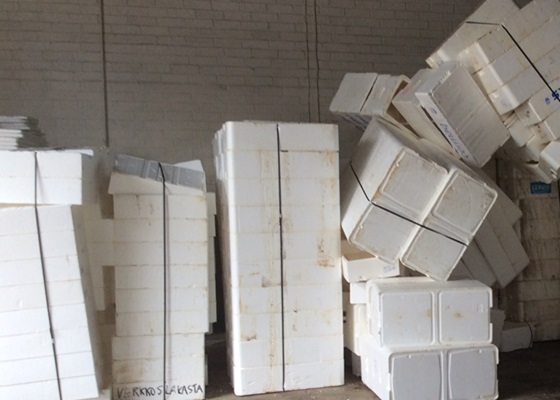
GREENMAX Foam Compactor for EPS Fish Box
GREENMAX foam compactor uses crushing and screw compression to reduce the volume of loose EPS fish boxes. The machine can be designed for the marine and food production environment, where moisture, salt and frequent cleaning are part of daily operations.Depending on the equipment and the foam condition, the compression ratio can reach up to 50:1. This means a large volume of boxes can be reduced to dense blocks that are easier to store, load and transport. The blocks take up less space and can be held on site until enough is collected for a single pickup.
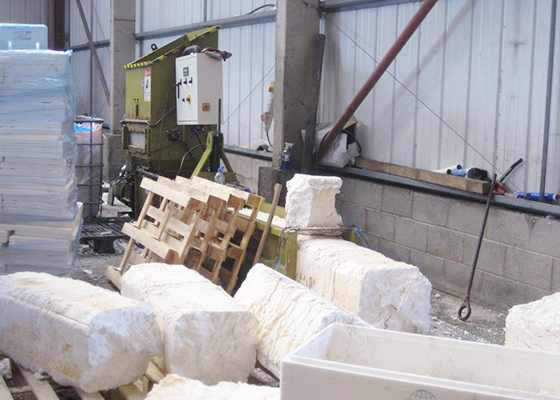
For seafood processors, this also improves the working environment. Processing the boxes soon after unpacking reduces the amount of foam stored around the plant, which helps control odor and keep the production area cleaner.
Seafood Processor Cuts Costs and Sells Compressed Blocks
One fish processing company in the Netherlands, used a large number of EPS insulation boxes to keep imported fish fresh. The boxes were used only once and then became industrial waste. The company paid a local recycling firm to collect the material, but the lightweight boxes occupied a large volume and made transportation costly.
The stockpiled foam also created environmental problems inside the plant, including odor and mosquitoes, especially during the busy season when the volume of boxes increased. The company needed a more practical way to handle the waste without continuing to accumulate foam on site.
GREENMAX installed a specially designed foam compactor A-C200, built to a marine standard for the seafood environment. After the boxes were compressed, the company reduced the amount of space needed for storage and lowered the cost of paying a recycling operator. GREENMAX also purchased the compressed EPS blocks, allowing the seafood processor to recover value from the material while supporting a more sustainable operation.
Turn Fish Box Waste into Recycled EPS
For seafood companies, the benefit of foam compaction goes beyond reducing waste volume. It changes the packaging routine from repeated disposal to a more controlled recycling process.
Compressed EPS blocks require fewer bins and less storage space, and they can be collected according to a schedule that matches production volume. This gives the business better control over its waste, especially during peak seasons when fish box numbers increase.
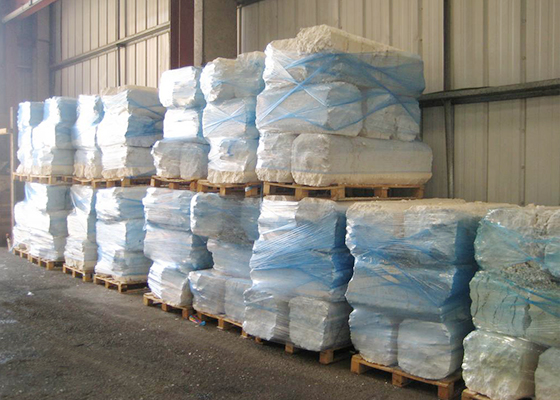
The compacted blocks can be sold to a recycler or a recycling partner and processed into recycled polystyrene. Depending on quality and market demand, the recycled material may be used in construction products, picture frames or other manufactured goods.
A suitable foam compactor is selected based on the number of fish boxes the facility handles, the available space, the level of moisture and whether the operation needs a marine or food-grade configuration. GREENMAX can recommend a compactor and help connect the processed material with a downstream recycling route.
GREENMAX foam compactors help seafood processors handle EPS fish boxes more efficiently, reducing storage and transport pressure while creating a valuable recycling stream for the material.