
 Select Language
 English
GREENMAX EPS Compactor for Electronics Packaging Recycling
Open a box holding a printer, a monitor or a server and you will usually find molded EPS foam packed around it. It absorbs the knocks between the factory and the loading dock so screens and circuit boards arrive intact. The trouble starts once the box is empty, because there is rarely anywhere sensible for the foam to go.
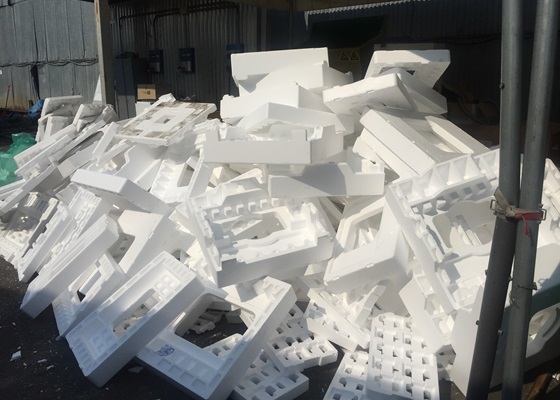
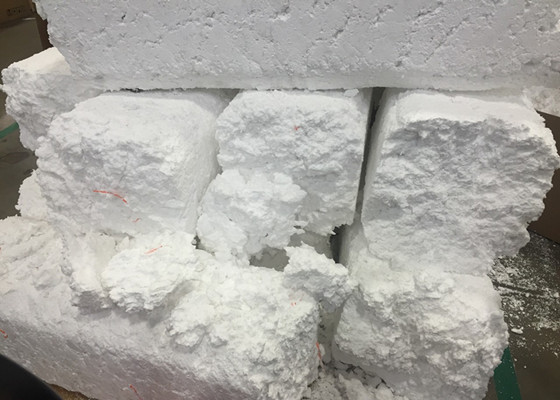
Distribution centers unpack new equipment and repack returns. Service depots strip a machine, repair it, then box it up again in fresh foam. Retailers take back units customers have stopped using. All of it produces a steady stream of EPS, and for years most of that went into the dumpster and from there to landfill. GREENMAX EPS compactor gives these operations somewhere better to put it. It presses loose foam into dense blocks at a compression ratio of 50:1, so a pile that filled a corner of the warehouse leaves the building as a stack of blocks on a pallet.
How electronics businesses handle packaging foam
Office equipment manufacturers run distribution centers that refurbish second-hand machines and fill customer orders, so unpacking new products and repacking older ones is everyday work. Those sites used to send the waste foam out with general refuse and into landfill. A growing number now run an EPS compactor on site instead, pressing loose packaging into dense blocks that cut the volume of waste the building has to handle. Compactor suppliers typically send engineers out after installation to check the equipment and train the staff who run it, since the machine only pays off if the people loading it keep the foam clean and the blocks stacked properly.
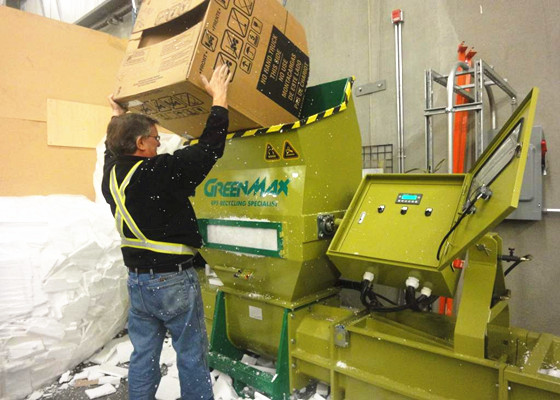
The result is less foam going to landfill, a tidier way of managing packaging waste, and a story the company can point to when customers ask about its environmental targets.
What happens to the compressed foam
Compacted blocks sit in storage until there are enough to fill a load, then go out for processing, where a granulator breaks them down again into polystyrene pellets that become picture frames, moldings, construction profiles and other molded products. The 50:1 ratio is what makes that transport work. Loose foam blows around, will not stack, and fills a truck before it carries much weight, while blocks move at a fraction of the cost per tonne. That is why processors will take them and why the material holds a resale value at all.
How to choose EPS compactor
Not every facility needs the same machine. Throughput is the first number to work out. GREENMAX EPS compactor A-C200 is rated at up to 200 kg an hour, about 1.6 tonnes across an eight-hour shift. A site that generates less than that has no reason to pay for capacity it will never use, and a site that generates more needs a larger machine or a second one running alongside the first.
Piece size, available floor space and the level of contamination shape the decision too. Foam mixed with tape, cardboard or food waste is much harder to recycle, so keeping the material clean at the unpacking station pays off later. It also helps to know where the blocks will go before you buy. A recycler who is already lined up will usually tell you what format they accept, and where none is lined up yet, GREENMAX can help find one.
For an electronics operation, EPS compactor handles a problem that turns up every day. The foam will keep arriving either way. Compacting just means it leaves the building as a stack of blocks instead of a pile of trash.