
 Select Language
 English
Germany K Show: Foam Densifier Lead a New Wave in Waste Recycling
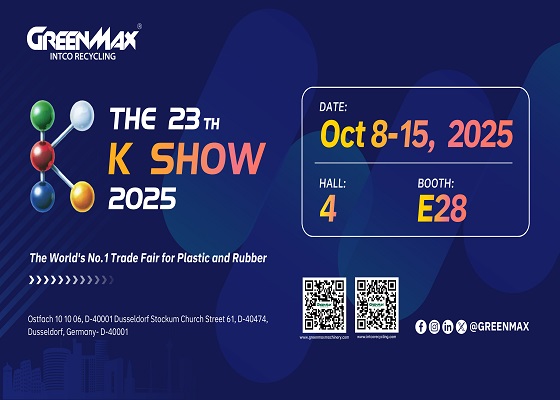
Since its first edition in 1952, it has consistently been at the forefront of the industry, gathering top companies, cutting-edge technologies, and innovative ideas from around the world. In the current context of heightened environmental awareness and the prominence of sustainable development, the K Fair has also focused on the efficient recycling and reuse of plastic waste, with Foam Densifiers standing out in this field, becoming one of the highlights of the exhibition.
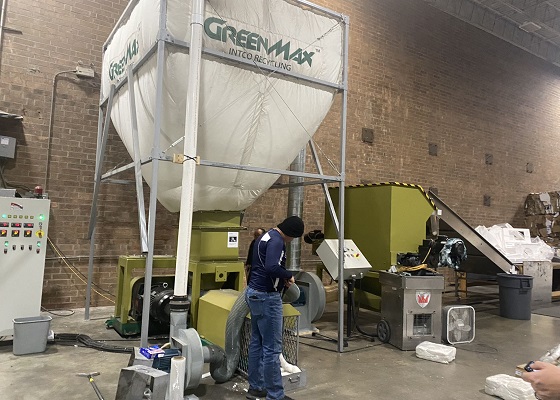
At the K exhibition, many companies showcased their developed foam densifiers. Although these devices come in various models, they all revolve around one core goal - to efficiently transform fluffy and bulky waste foam (such as EPS, EPP, etc.) into compact material blocks that are easier to transport, store, and reprocess. Taking the GREENMAX brand's Foam Densifier as an example, when waste foam enters the device through the feed hopper, the high-speed rotating blades inside quickly crush it, while the precision temperature-controlled heating system begins to operate. The volume is reduced to 1/90 of the original foam, significantly lowering transportation costs and storage pressure.
The Foam Densifier has received a lot of attention at the K Fair, primarily due to its transformative advantages for waste recycling. From an environmental perspective, a large amount of discarded foam accumulates over a long time, occupying land resources, and natural degradation can take hundreds of years, while incineration releases harmful gases. With the help of the Foam Densifier, the recycling rate of waste foam has significantly increased, reducing environmental harm. For example, in a restaurant business, the large amount of foam food containers generated daily is compressed and processed in a timely manner with the GREENMAX Foam Densifier, which not only solves storage problems but also prevents pollution from direct disposal. From an economic standpoint, the recycled waste foam, after being processed by the Foam Densifier, becomes a high-quality raw material for recycled plastic. The compacted blocks can be sold directly to recycled plastic processing plants for use in products such as picture frames, decorative moldings, and packaging fillers, with the cost of recycled materials being 30% to 50% lower than that of virgin plastic, opening up new profit opportunities for businesses.
During the K exhibition, experts engaged in heated discussions about the upgrading of Foam Densifier technology and the expansion of its applications at related seminars and forums. On one hand, R&D personnel are committed to optimizing equipment performance, such as improving the material and structure of cutting tools to enhance crushing efficiency and reduce energy consumption; optimizing heating systems to achieve more precise temperature control, ensuring that different types of foam can be uniformly densified. On the other hand, in application scenarios, besides recycling foam from the traditional packaging industry, there is exploration of applying foam densifiers in areas such as building insulation materials and processing of foam waste in automotive interiors, further tapping into its potential value.
.jpg)