
 Select Language
 English
Foam crusher: Help small and medium-sized industries solve the foam waste recycling dilemma
In small and medium-sized industries such as food processing, small electronics manufacturing, and handicraft production, foam (including EPS, EPE, etc.) is widely used as buffer packaging and insulation materials, and the resulting foam waste has become a major pain point in the environmental protection management of enterprises. Although the foam waste production in these industries is not as good as that of large factories, it has the characteristics of dispersion, variety and high treatment costs, and traditional recycling methods are difficult to adapt, resulting in a large amount of foam waste being discarded at will or disposed of at low prices. With its flexibility, efficiency, and low cost, Foam Crusher has become an ideal choice for foam waste recycling in small and medium-sized industries, providing strong support for such enterprises to build a green production model.
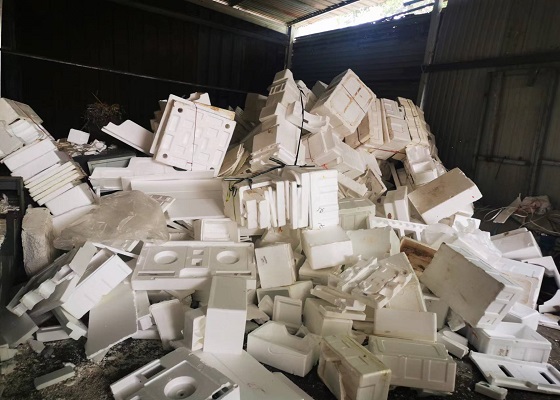
Characteristics and recycling difficulties of foam waste in small and medium-sized industries
Foam waste in small and medium-sized industries presents unique waste characteristics, which also makes their recycling work face many challenges. From the perspective of waste production, the daily production of foam waste by a single small and medium-sized enterprise is usually between 50-200 kg, although the total amount is not large, but it will still form a lot of storage pressure over a long period of time.
In terms of waste form, there are various types of foam waste in small and medium-sized industries, including complete EPS packaging boxes and EPE cushioners, as well as cut fragments, waste stained with oil or food residues. This diversity makes it difficult to sort and recycle, and traditional recyclers have little interest due to high processing costs, and many companies can only mix foam waste into household waste, which not only violates environmental regulations, but may also face fines.
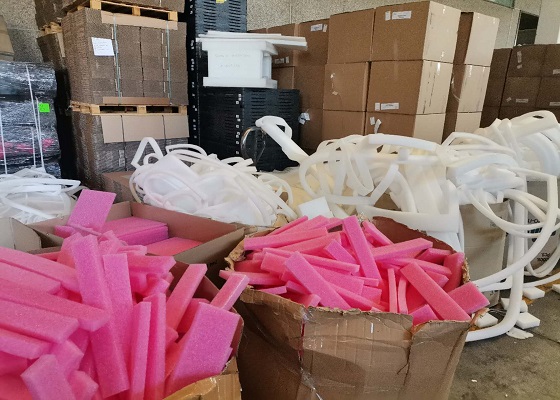
From the perspective of recycling costs, the transportation cost of foam waste for small and medium-sized enterprises accounts for a very high proportion. Due to the small amount of waste in a single batch, recyclers are often reluctant to come to the door to recycle, and enterprises need to contact vehicles to transport to large recycling points, and the cost of a single transportation far exceeds the recycling value of the waste itself, resulting in a lack of motivation for enterprises to actively recycle.
How Foam crusher works and its advantages for small and medium-sized industries
The FOAM Crusher is a machine that converts large pieces of foam into uniform particles through mechanical shearing and crushing, and its core design concept is "miniaturization, easy operation, and low cost", which perfectly adapts to the foam recycling needs of small and medium-sized industries. The workflow of the machine is simple: the operator feeds the foam waste in various forms into the feed port, the high-speed rotating blade inside cuts the foam into uniform pieces, and the crushed block material is collected through the discharge port into a special container.
Flexible adaptation and small footprint: With a footprint of only 1-2 square meters, the small foam crusher can be placed directly in the corner of a corporate workshop or warehouse without the need for special site planning. This flexibility is especially important for small and micro businesses with limited space.
Easy to operate and cost-controlled: The foam Crusher is designed with a push-button start, so the operator can be on duty without professional training. Most small and medium-sized businesses can afford the electricity bill.
Reduced volume and increased efficiency, easy to transport: The volume of foam particles crushed by the foam crusher can be reduced to 1/5-1/10 of the original size, greatly reducing the difficulty of storage and transportation. Make recycling economically viable.
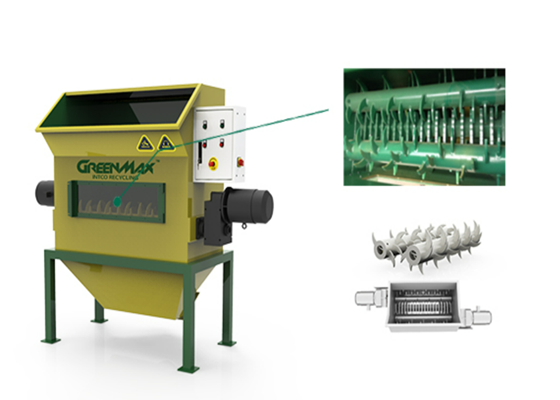
In the food processing industry, small and medium-sized bakeries and cake shops generate a large amount of EPS incubator and EPE cake tray waste every day. After the introduction of the foam crusher, the staff can put the waste foam into the equipment at any time to crush, and the crushed pellets can be stored in sealed bags and recycled once a week. This method not only solves the problem of waste accumulation, but also allows for a small profit from selling scrap
In terms of environmental benefits, Foam Crusher is driving foam waste in small and medium-sized industries from "discarded at will" to "regulated recycling", reducing the amount of foam entering landfills. It is estimated that a small foam crusher can recycle about 10-30 tons of foam waste per year, which is equivalent to reducing the landfill footprint by 200-600 cubic meters while reducing the pollution of soil and water bodies by harmful substances released during the natural degradation of foam.