
 Select Language
 English
Foam Compactor and Cold Press Technology: Innovative Solutions for EPP Foam Recycling
In fields such as packaging, automotive, and construction, EPP foam (Expanded Polypropylene Foam) is widely used due to its excellent properties, including lightweight, high cushioning, low-temperature resistance, and chemical resistance. However, the large amount of waste generated after EPP foam usage occupies significant landfill space due to its bulky volume and extremely low density (typically only 10-30kg/m³). Moreover, its long natural degradation cycle (up to several decades) puts long-term pressure on the environment. Traditional incineration methods can reduce volume but release harmful gases, which does not align with green and environmentally friendly ideals. Against this background, the combination of foam compactor and cold press technology provides an innovative pathway for the efficient and eco-friendly recycling of EPP foam, achieving the dual goals of 'resource recycling' and 'environmental friendliness'.
Core Challenges of EPP Foam Recycling: From Characteristics to Recycling Pain Points
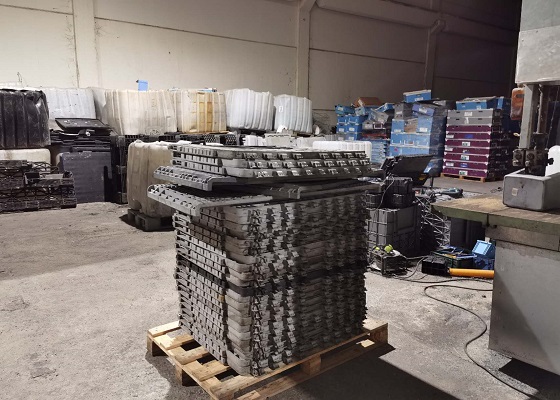
To understand the value of foam compactors and cold pressing technology, it is essential to clarify the core challenges of EPP foam recycling:
Volume and Density Contradiction: The "lightweight" advantage of EPP foam becomes a drawback during the recycling stage—1 cubic meter of EPP waste weighs only a few kilograms, which requires significant vehicle space during transportation, leading to high transportation costs (accounting for about 30%-40% of the total recycling cost), thus limiting the scalability of recycling enterprises.
Physical Structure Stability: EPP foam consists of countless closed air bubbles, which can easily melt and deform in high-temperature environments, releasing harmful substances such as propylene monomers; therefore, traditional hot pressing technology cannot be used for direct molding. If crushed and re-expanded directly, the product performance may decline due to the destruction of the bubble structure (e.g., cushioning ability decreases by 20%-30%).
Difficulty in Impurity Separation: Actual recycled EPP waste often contains impurities such as plastic films, metal fragments, and dust. If not thoroughly separated, these can affect the quality of the subsequent recycled products and even damage recycling equipment.
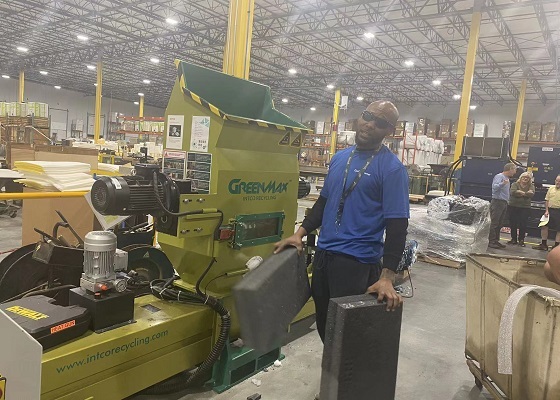
Why choose Foam Compactor + cold pressing technology?
Compared to traditional recycling methods, the combination of foam compactor and cold pressing technology has four core advantages: 'environmentally friendly, economical, efficient, and high quality.' It has become the mainstream technological route for EPP foam recycling worldwide.1.Environmental Protection: From "Pollution" to "Zero Waste"
- Reduce landfill volume: EPP waste, once compacted, shrinks to 1/20 of its original volume; if fully recycled, it can reduce landfill space occupancy by over 80%;- Lower carbon emissions: Cold pressing technology has low energy consumption and avoids incineration. Recycling 1 ton of EPP foam can reduce about 0.8 tons of CO₂ emissions (equivalent to the carbon absorption of planting 40 trees);
- Resource recycling: Recycled EPP products can be reused 3-5 times, creating a closed loop of "production - use - recycling - regeneration," which thoroughly addresses the environmental problems of EPP waste.
- Reduce transportation costs: The transportation cost of compacted EPP particles is only 1/50 of that of the original waste.
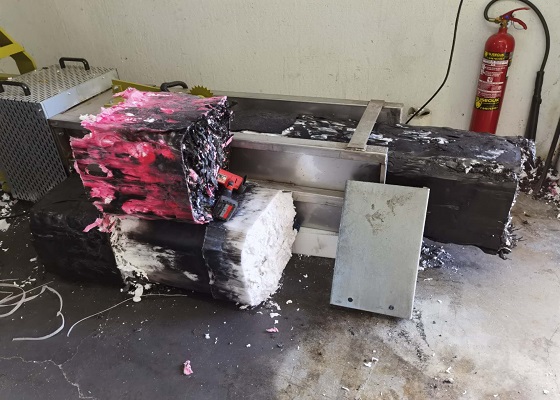
The automotive industry is a major consumer of EPP foam (such as bumper padding, headrest filling, and door panel lining), with each car using about 5-10 kg of EPP foam. A European car manufacturer has teamed up with a recycling company to recycle EPP edge scrap generated during the production process (which accounts for about 15% of total output) using foam compactors and cold pressing technology, regenerating it into car door padding and trunk linings, thereby reducing new material procurement by 800 tons per year and lowering carbon emissions by 640 tons. Additionally, the regenerated interior parts have passed the automotive industry's aging and impact resistance tests.