
 Select Language
 English
EPP Recycling by Hot Melting Technology: A Comparison with Cold Compaction
Expanded Polypropylene, known as EPP, is widely used in automotive packaging, reusable logistics boxes, protective packaging and industrial components because it is lightweight, durable and shock-resistant. However, when EPP becomes waste, its low density creates high storage and transportation costs. For companies handling large volumes of EPP scrap, choosing the right EPP foam recycling machine is essential to reduce waste volume, improve handling efficiency and turn bulky foam into recyclable material.
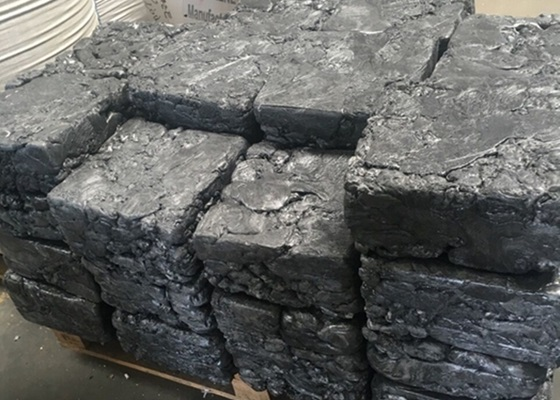
Hot melting is one effective solution for EPP recycling. This technology crushes and heats EPP foam, then melts it into dense ingots. Compared with loose foam, hot-melt ingots occupy much less space and are easier to store, load and transport. GREENMAX MARS M-C series is designed for foam hot melting, and the M-C200 can melt waste EPP into compact blocks with a reduction ratio of about 90:1, helping users save storage space and hauling costs. For recyclers or manufacturers dealing with large quantities of EPP, hot melting is especially suitable when the goal is to obtain high-density output and reduce logistics pressure quickly.
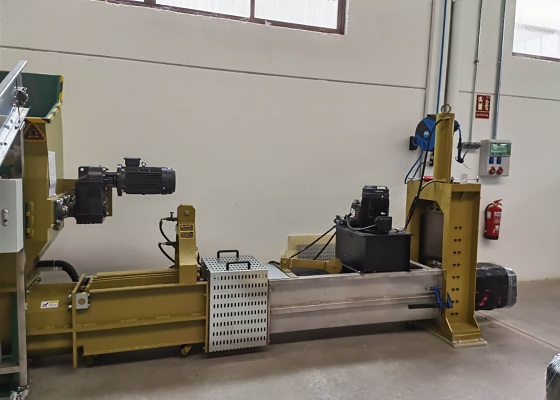
Cold compaction is another common EPP recycling method. Instead of fully melting the material, a cold compactor uses screw compression to press EPP foam into dense blocks. The output remains closer to the original material structure, which can be useful when customers want a cleaner material appearance, a lower processing temperature, and simpler operation. GREENMAX states that its EPP compactor can reduce bulky EPP volume by up to 90%, making storage, handling, and transportation more efficient. Cold compaction is generally more suitable for relatively clean and dry EPP waste from factories, packaging plants, and logistics centers.
The two technologies have different advantages. Hot melting produces denser ingots and is better for maximizing transportation efficiency, especially when waste volume is large or transport distance is long. However, it requires heat and may change the material appearance more obviously. Cold compaction has lower temperature processing and can keep the material in compressed block form, but the final density is usually lower than hot-melt ingots. Therefore, the choice depends on the customer’s waste condition, output requirement, labor cost, electricity cost and downstream recycling channel.
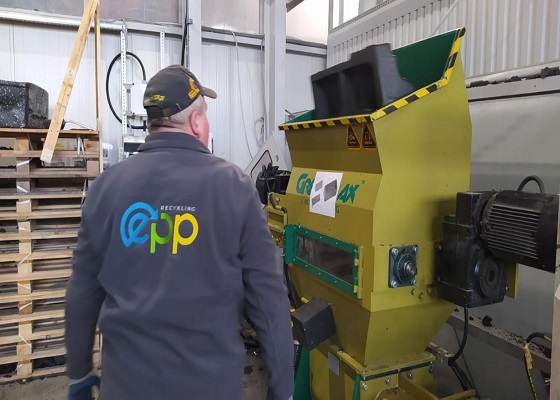
A GREENMAX Z-C series case shows the value of cold compaction for EPP manufacturers. A Chinese EPP manufacturer adopted the GREENMAX Z-C200 EPP foam compactor to manage production scrap. By compressing loose EPP waste into dense recyclable blocks, the company reduced disposal costs and optimized storage space. This case reflects a typical factory-side recycling scenario: the waste source is stable, the material is relatively clean, and the customer needs an efficient on-site solution to control daily waste.
A GREENMAX M-C series case demonstrates the role of hot melting in EPP volume reduction. GREENMAX shows the M-C200 hot melting machine processing EPP foam into dense blocks, which helps reduce waste hauling and storage pressure. This solution is more suitable for customers who want higher-density output and need to ship recycled foam over longer distances. For recyclers, the M-C series can make EPP waste easier to collect, store and sell as a recyclable material stream.
In conclusion, both hot melting and cold compaction can provide an effective EPP recycling solution. The Z-C series focuses on stable compression, simple handling and clean block output, while the M-C series focuses on higher density, stronger volume reduction and better transportation efficiency. For companies selecting an EPP foam recycling machine, the best choice should be based on the actual EPP waste type, site conditions and downstream recycling requirements.