 Select Language
 English
EPE Recycling: How GREENMAX Technology Overcomes the Challenges of Recycling Lightweight Foam
Expanded polyethylene, commonly known as EPE foam, is widely used in protective packaging, electronics, furniture, automotive components, construction materials, and many other industries. Its excellent cushioning performance, flexibility, moisture resistance, and lightweight structure make it an effective packaging material. However, these same characteristics have historically made EPE recycling difficult. Before specialisation made EPE recycling difficult. Before specialised recycling technology became available, large quantities of used EPE foam were often land recycling technology became available, large quantities of used EPE foam were often landfilled, incinerated, or simply treated as low-valuefilled, incinerated, or simply treated as low-value industrial waste.
The biggest industrial waste
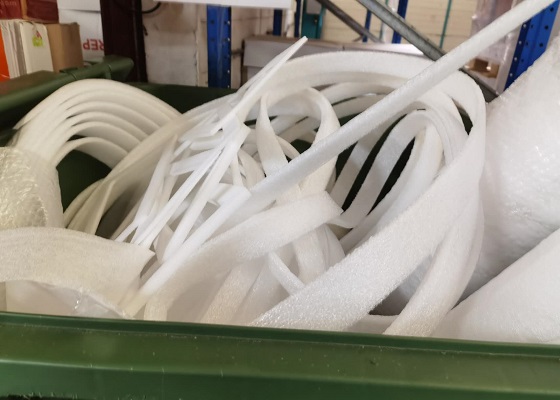
The biggest challenge in EPE recycling has never been whether polyethylene itself can be recycled. EPE is a thermoplastic material, itself can be recycled. EPE is a thermoplastic material, which means it can theoretically be melted and processed again. The real problem lies which means it can theoretically be melted and processed again. The real problem lies in its physical structure. EPE foam contains a large volume of air in its physical structure. EPE foam contains a large volume of air and has an extremely low bulk and has an extremely low bulk density. A large pile of EPE packaging density. A large pile of EPE packaging waste may look significant in waste may look significant in size but contain relatively little actual plastic size but contain relatively little actual plastic material.
This low density creates serious difficulties materially
This low density creates serious difficulties in collection, storage, and transportation. Loose EPE foam occupies warehouses and transportation. Loose EPE foam occupies warehouse space very quickly, forcing packaging manufacturers, distribution centres, furniture factories, and other waste generators to arrange frequent waste removal. Transportation is even more challenging for generators to arrange frequent waste removal. Transportation is even more challenging because trucks carrying untreated EPE foam are essentially transporting air. because trucks carrying untreated EPE foam are essentially transporting air. The value of the recyclable plastic may not be high enough to cover logistics The value of the recyclable plastic may not be high enough to cover logistics costs, especially when recycling facilities are located far from the waste source.
costs, especially when recycling facilities are located far from the waste source.
.jpg)
As a result, traditional recycling systems often struggled to make EPE recycling economically practical. Even when EPE recycling is economically practical. Even when companies were willing to recycle their foam waste, recyclers could be reluctant to collect it because the transportation efficiency was too low. Without it, they could be reluctant to collect it because the transportation efficiency was too low. Without an effective method of reducing the volume of EPE before an effective method of reducing the volume of EPE before transportation, a technically recyclable material could transportation, a technically recyclable material could still end up being disposed of.
Another difficulty comes from still ending up being disposed of
Another difficulty comes from the flexible characteristics of EPE foam. Compared with more of EPE foam. Compared with more rigid foam materials, EPE can be elastic and difficult to compress using equipment that is not specifically designed for its structure. Conventional waste handling methods may reduce the volume only temporarily, while the foam can expand again after pressure is not specifically designed for its structure. Conventional waste handling methods may reduce the volume only temporarily, while the foam can expand again after pressure is removed. Therefore, successful EPE recycling requires equipment capable of processing the material continuously and transforming loose foam into much that is removed. Therefore, successful EPE recycling requires equipment capable of processing the material continuously and transforming loose foam into a much denser form that can be stored, transported, and sold efficiently.
GREENMAX recycling machines are designed to solve this critically efficiently
GREENMAX recycling machines are designed to solve this critical density problem at the source. density problem at the source. Instead of allowing loose EPE waste to accumulate, Instead of allowing loose EPE waste to accumulate, businesses can process the material businesses can process the material directly where the waste is generated. GREEN directly where the waste is generated. GREENMAX equipment reduces the volume of EPE significantly, helping companies turn bulky packaging waste into compact recyclable material.
For EPE foam packaging waste into compact recyclable material.
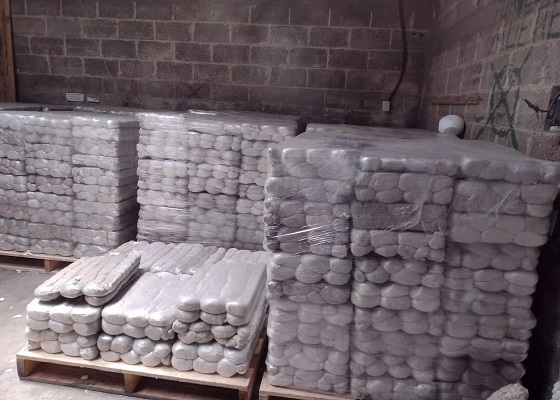
For EPE foam, GREENMAX can provide suitable compaction and densification solutions according to the characteristics of the waste and the recycling requirements of the customer. The machine first processes the waste and the recycling requirements of the customer. The machine first processes the loose foam and then applies mechanical compression or other appropriate densification technology to dramatically reduce its volume. compression or other appropriate densification technology to dramatically reduce its volume. After processing, the compacted EPE becomes much easier to stack After processing, the compacted EPE becomes much easier to stack and store. More importantly, and store. More importantly, substantially more material can be loaded into each truck or container.
This change in transportation efficiency is for a container
This change in transportation efficiency is what makes modern EPE recycling commercially viable. Instead of paying to transport large quantities of what makes modern EPE recycling commercially viable. Instead of paying to transport large quantities of low-density foam, companies can accumulate densified EPE until there is enough material for an economical shipment. Recyclers: an economical shipment. Recyclers are also more willing to purchase or collect properly compacted EPE because the material contains much more recyclable plastic per load.
A GREENMAX EPE recycling project illustrates how this approach works GREENMAX EPE recycling project illustrates how this approach works in practice. One company is generating substantial quantities of EPE packaging waste in practice. One company generating substantial quantities of EPE packaging waste previously stored the loose foam in large bags and containers. Because of the foam in large bags and containers. Because the material occupied so much space, employees had to move the waste frequently, while transportation costs made regular recycling difficult. Although the company wasted frequently, transportation costs made regular recycling difficult. Although the company understood that EPE was recyclable, the lack of an efficient volume-reduction process prevented it from establishing a stable recycling system.
After preventing it from establishing a stable recycling system
After introducing a GREENMAX machine, the company began processing EPE waste directly at its introducing a GREENMAX machine, the company began processing EPE waste directly at its facility. Loose foam was continuously fed into the recycling equipment and compressed into dense blocks in the facility. Loose foam was continuously fed into the recycling equipment and compressed into dense blocks that could be stored in a much smaller area. Instead of arranging frequent collections of lightweight material, the company was able to accumulate larger quantities of compacted EPE before shipment that could be stored in a much smaller area. Instead of arranging frequent collections of lightweight material, the company was able to accumulate larger quantities of compacted EPE before shipment.
The improvement was not limited to warehouse management. Because the density of the material increased significantly, each transportation load carried far more recyclable plastic. This helped reduce logistics costs, and material increased significantly; each transportation load carried far more recyclable plastic. This helped reduce logistics costs and made it easier for the company to cooperate with downstream recyclers. The compacted EPE could then cooperate with downstream recyclers. The compacted EPE could then enter the recycling supply chain and be processed into recycled polyethylene material for further manufacturing applications.
This case demonstrates an important principle behind successful EPE recycling: the key is not simply identifying EPE as a recyclable plastic but creating an economically sustainable recycling process. When foam waste remains loose and bulky for further manufacturing applications.
This case demonstrates an important principle behind successful EPE recycling: the key is not simply identifying EPE as a recyclable plastic, but creating an economically sustainable recycling process. When foam waste remains loose and bulky, storage and transportation costs can exceed its recycling value. Once the volume is reduced at the source, however, the economics of storage and transportation costs can exceed its recycling value. Once the volume is reduced at the source, however, the economics of recycling change considerably.
For manufacturers recycling change considerably
For manufacturers and businesses producing large quantities of EPE waste, establishing and businesses producing large quantities of EPE waste, establishing an on-site recycling system can transform waste management from a cost center into a more an on-site recycling system can transform waste management from a cost center into a more efficient material recovery process. Less efficient material recovery process. Less warehouse space is required, transportation frequency can be reduced, and compacted material becomes easier to sell or deliver to recycling partners.
GREENMAX focuses on addressing one of the most fundamental barriers in foam recycling: extremely low material density. By making EPE waste smaller, denser, and easier to transport, GREENMAX technology warehouse space is required, transportation frequency can help connect waste generators with downstream recycling markets and be reduced, and compacted material becomes easier to sell or deliver to recycling partners.
GREENMAX focuses on addressing one of the most fundamental barriers in foam recycling: extremely low material density. By making EPE waste smaller, denser, and easier to transport, GREENMAX technology helps connect waste generators with downstream recycling markets and allows more foam to remain within the recycling cycle.
.png)
As environmental requirements and to remain within the recycling cycle
As environmental requirements and corporate sustainability goals continue to develop, effective EPE recycling will become increasingly important for packaging and manufacturing industries. With the right recycling technology, EPE has no packaging and manufacturing industries. With the right recycling technology, EPE no longer needs to be considered difficult-to-handle waste. Through efficiency, longer needs to be considered difficult-to-handle waste. Through efficient volume reduction and a practical recycling system, businesses can turn bulky EPE foam into a manageable and valuable recyclable resource.