 Select Language
 English
EPE foam packaging is 100% recyclable with an EPE foam densifier
EPE packaging is a more impact-resistant packaging than EPS packaging. But he, like EPS packaging, is a kind of plastic packaging. Some people ask questions. They are also used for plastic packaging. Why choose two different plastics? Doesn't this make recycling foam plastic more difficult? In fact, EPE is a more impact-resistant foam than EPS, and there are some commodities that must be carefully protected during transportation.
We've tried a lot of packaging options, but in a few cases there's no viable alternative. If the use of EPE foam packaging is forcibly removed, we will see an increased risk of product damage, which means increased waste. After weighing our options, we typically use EPE on some of the heaviest or awkwardly shaped items (the most vulnerable to shipping damage), but we want EPE foam to make it to recycling facilities.
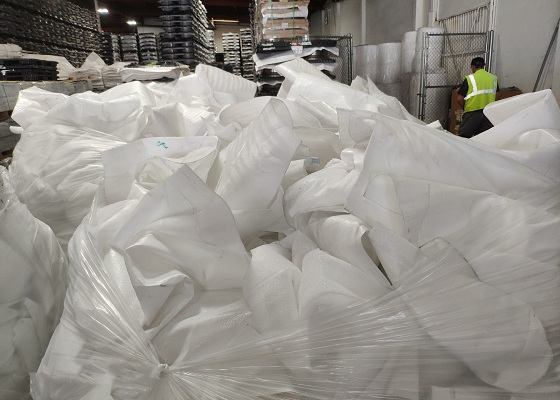
EPE is recyclable, but unfortunately many municipal recycling companies do not have the facilities to process it. In contrast, some related companies and recycling companies have done a good job. They have already started recycling EPE foam. The most surprising thing is that many related companies not only do not regard EPE foam recycling as a burden, but instead use EPE foam. Recycling developed into a sideline for investment management. As a professional foam recycling expert, GREENMAX always receives many questions from customers about how to recycle EPE foam. This foam, like EPS, is full of air. Any such bulky and air-filled foam needs to be recycled before recycling. Reduce volume, otherwise large-scale recycling activities cannot be carried out. This step can be easily done with EPE foam densifier.
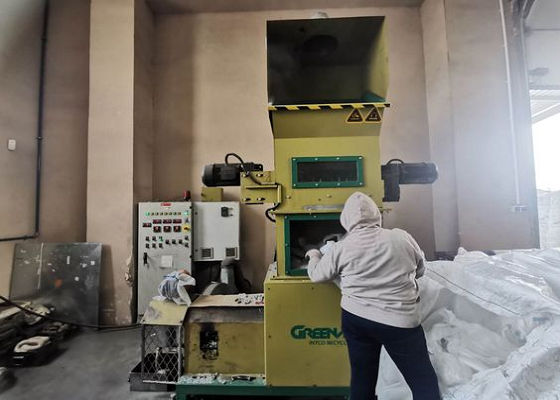
Is EPE foam densifier really being used? The answer is yes. One of GREENMAX’s customers operates in the networking industry and uses a large amount of computer-related equipment. During purchasing and transportation, monitors and computer hosts require shock-resistant protective packaging, resulting in large quantities of EPE foam accumulating in the customer’s warehouse.
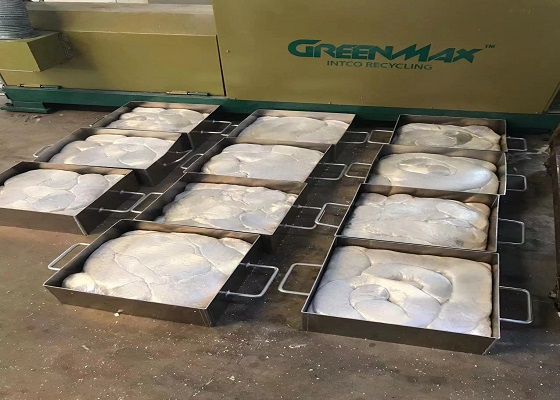
The customer generates around 5 tons of EPE foam waste every month. As you can imagine, this lightweight, air-filled foam takes up a tremendous amount of storage space. Initially, the customer relied on a recycling company for on-site collection and processing, which cost approximately CAD 1,500 per day. To reduce costs and improve efficiency, the customer decided to recycle the EPE foam in-house.
The customer ultimately chose the GREENMAX EPE foam densifier because of GREENMAX’s extensive recycling experience and the practical recycling solutions provided, which helped improve overall on-site 5S management. In the end, the GREENMAX EPE foam densifier M-C200E was selected. The compressed EPE ingots produced by the machine can then be sold to downstream buyers for further recycling and reuse.
FAQ
1. Can EPE foam be recycled?
Yes, EPE foam is recyclable, but because it is lightweight and filled with air, it must first be compressed with equipment like GREENMAX EPE foam densifier to reduce volume before efficient recycling can take place.
2. Why do businesses choose to recycle EPE foam themselves?
Self-recycling helps businesses reduce disposal costs, save warehouse space, improve workplace organization, and create additional value by selling compressed EPE ingots to recycling buyers.
3. What are the benefits of using EPE foam densifier?
EPE foam densifier reduces bulky foam into compact blocks, making storage and transportation easier while supporting a cleaner, more efficient, and more sustainable recycling process.