 Select Language
 English
Closing the Loop in Electronics Packaging: EPE Recycling Machine Solutions in Europe
Expanded polyethylene (EPE) foam is one of the most widely used protective materials in the electronics accessories industry. Lightweight, flexible and shock-absorbing, it appears in corner blocks, foam sheets, pouches and custom-shaped inserts for items like chargers, headphones, hard drives, routers and small smart devices. But once the product reaches the customer, this protective layer quickly turns into bulky waste that is difficult to store, transport and dispose of.
How the electronics accessories industry generates EPE waste
Along the electronics supply chain, EPE waste is produced at several stages:
In electronics and accessories manufacturing, EPE is used to pack every unit leaving the production line. Large rolls and blocks are cut, die-cut and laminated into precise shapes to protect sensitive parts and finished accessories. Every cut leaves off-cuts and scraps; over the course of a day, these fragments can pile up into cubic metres of loose foam.
At distribution and 3PL warehouses, where accessories for phones, computers and consumer electronics are consolidated, re-packed and shipped, even more EPE appears. Products arrive in primary EPE packaging from the factory, then get re-boxed into mixed orders for retailers or e-commerce. Damaged packaging, rework and consolidation all create additional EPE waste, especially thin EPE films and pouches. The electronics refurbishment sector produces similar EPE film and sheet waste when testing, repairing and re-packing returned devices.
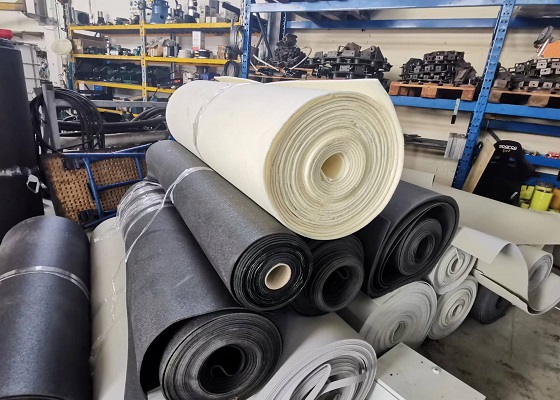
Finally, returns and warranty replacements add another layer. Electronics accessories have relatively high return rates in e-commerce, and many come back with damaged or incomplete packaging. The EPE foam cannot be reused and is stripped off in bulk, leaving retailers and logistics hubs with bales of low-density foam that occupy valuable space and cost a lot to haul away.
Because EPE is so light, trucks carrying loose foam are mostly full of air. Traditional waste routes are expensive and environmentally inefficient, and in some regions of Europe, tightening packaging and recycling regulations are making landfilling or incineration increasingly unattractive.
What an EPE recycling machine does
An EPE recycling machine from GREENMAX is designed to turn this problematic waste stream into a compact, saleable resource. EPE foam is fed into the machine, where a screw crushes it into smaller pieces and pushes it into a silo or compression chamber. The material is then compacted — sometimes with surface hot-melt — into dense blocks that are easy to stack on pallets.
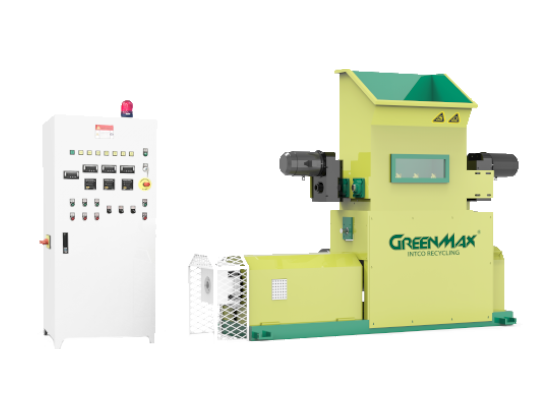
In the ZEUS series, for example, GREENMAX’s surface-melting technology wraps the foam as it is compacted so that the blocks hold their shape, achieving a volume-reduction ratio of up to about 50:1. For a warehouse full of EPE waste from electronic accessories, this can mean turning 50 cages of loose foam into just one pallet of neat blocks.
These blocks can then be shipped to recyclers or back to INTCO, where they are converted into pellets and used to produce products such as pipes, floor mats and other PE goods, forming a closed-loop system for EPE. At the same time, investing in an EPE recycling machine helps electronics manufacturers and logistics providers align with the EU Circular Economy Action Plan, which states that by 2030 all packaging placed on the EU market must be reusable or recyclable.
European example with a GREENMAX EPE recycling machine
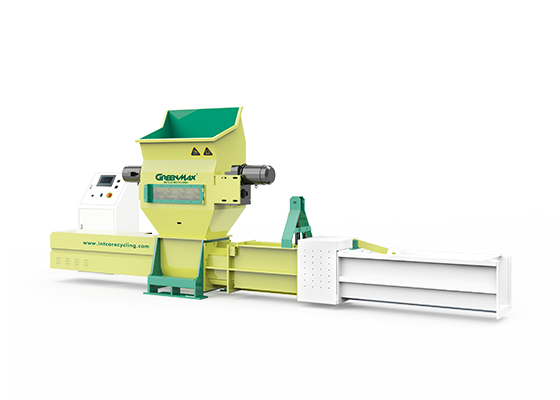
In Europe, several companies have already built real recycling capacity around GREENMAX equipment. Abriso-Jiffy, a major manufacturer of protective packaging and insulation materials operating 17 factories across Europe, has implemented a comprehensive EPE foam recycling system that relies on a GREENMAX Z-C200 compactor. The machine compresses bulky EPE waste into compact blocks, reducing storage needs and transport costs, and making it easier to process the material into new products.
On the downstream side, a UK-based logistics company serving electronics brands uses a GREENMAX EPE recycling machine (Z-C200) to handle EPE foam from device and accessory packaging. According to GREENMAX, this compactor efficiently recycles EPE by compressing it into dense blocks, which are then shipped to specialized recyclers instead of going to landfill. In practice, the company moved from overflowing cages of white foam in its cross-dock area to a simple workflow: operators feed EPE sheets, corner blocks and film from incoming and returned goods into the machine, and finished blocks are stored on a small number of pallets.
From there, the blocks are sold into the recycling market or to partners like INTCO, where they can be pelletized and turned into new polyethylene products. This transforms what was once a costly, low-density waste stream into a predictable source of revenue and a strong ESG story — demonstrating that electronics packaging waste can be captured and circulated rather than discarded.
For electronics accessories manufacturers, refurbishers and logistics providers in Europe, adopting an EPE recycling machine means more than just tidier warehouses. It connects everyday foam waste to a wider circular economy, reduces operating costs and supports compliance with Europe’s increasingly ambitious sustainability policies.