 Select Language
 English
Beyond the Machine: How a GREENMAX Styrofoam Compactor Helps Nonprofits Recycle More Waste Foam
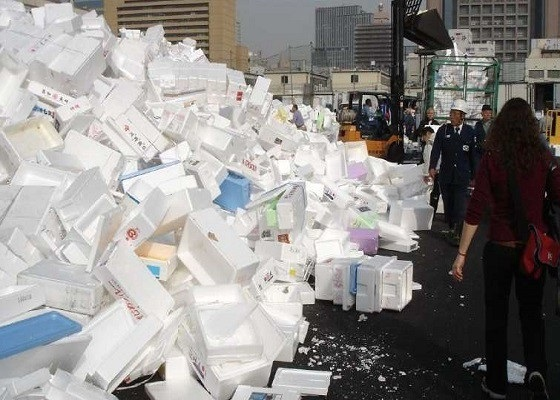
Nonprofit organizations are often on the front line of community cleanup and waste reduction, yet few materials test their resources like waste Styrofoam (EPS). Donation centers, food banks, reuse stores, and community recycling initiatives see a steady stream of foam packaging from appliances, electronics, meal delivery, and local events. The foam is light, clean-looking, and deceptively “manageable” until it piles up. Once EPS fills a storeroom or an outdoor cage, the nonprofit faces an unpleasant choice: pay for frequent hauling of mostly air, or send it to landfill and accept the cost and contradiction of that outcome.
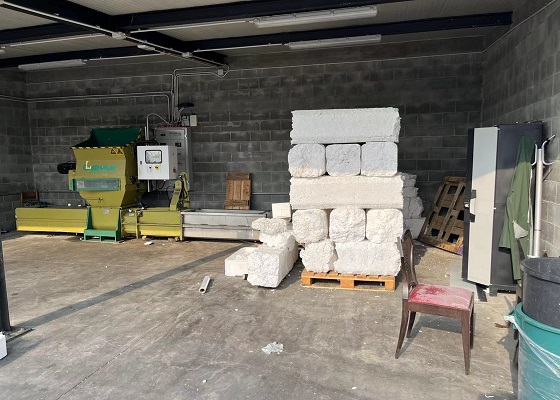
A styrofoam compactor addresses the root challenge by reducing volume dramatically. Loose foam becomes dense blocks that can be stacked, stored safely, and shipped efficiently. For nonprofits, this translates into fewer pickups, lower transport bills, less space devoted to waste, and a calmer day-to-day operation. But equipment alone does not guarantee success. The real barrier is what happens after compaction: where the blocks go, how they are moved, and whether there is a reliable pathway that turns collected foam into a material with a second life.
This is where GREENMAX stands out. GREENMAX supports a recycling-and-reuse approach that is designed to fit real-world collection programs, especially where budgets and manpower are limited. The compactor creates standardized, transport-ready blocks, and the model is built around making downstream handling realistic—so organizations can consolidate material, coordinate shipments when volumes make sense, and connect the foam to partners that can reuse it as recycled EPS feedstock. The appeal for nonprofits is not just that the machine works well, but that the overall method helps them run a stable program instead of fighting an endless overflow.
One community nonprofit recycling hub illustrates this difference. The organization accepted drop-offs of EPS from residents and small businesses, but storage quickly became the limiting factor. Foam filled gaylords faster than volunteers could manage, and hauling quotes were discouraging because the loads were mostly volume. After installing a GREENMAX styrofoam compactor, the hub shifted from “pile management” to routine processing. Blocks replaced loose foam, the site regained usable space, and the organization began shipping consolidated loads on a predictable cadence. The key improvement was confidence: with densified blocks and a defined outlet pathway, the nonprofit could promote EPS drop-offs again without fearing that success would overwhelm its capacity.
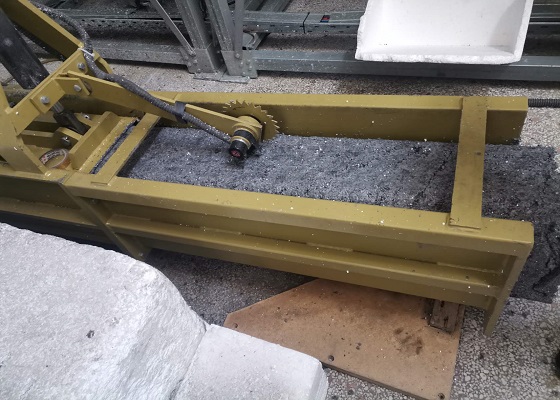
A second example comes from a nonprofit reuse organization that dismantles donated goods and redistributes usable items. EPS packaging arrived daily with donations and outbound shipments, and disposal costs were eating into program funding. With a GREENMAX styrofoam compactor on-site, staff compacted foam as part of normal sorting. Instead of paying repeated landfill-related charges for frequent collections, the organization stored dense blocks and coordinated fewer, more efficient shipments for recycling. The result was a cleaner facility, reduced waste handling time, and a measurable drop in monthly disposal costs—freeing budget for its mission rather than for trash removal.
For nonprofits, recycling is only sustainable when it is operationally sustainable. A GREENMAX styrofoam compactor provides the compression power, but the bigger value is the repeatable recycling-and-reuse model it enables: compress, consolidate, ship efficiently, and keep foam circulating as a resource instead of paying to bury it.