 Select Language
 English
Aluminum Cans Dewatering: Turning Beverage Waste into Recyclable Value
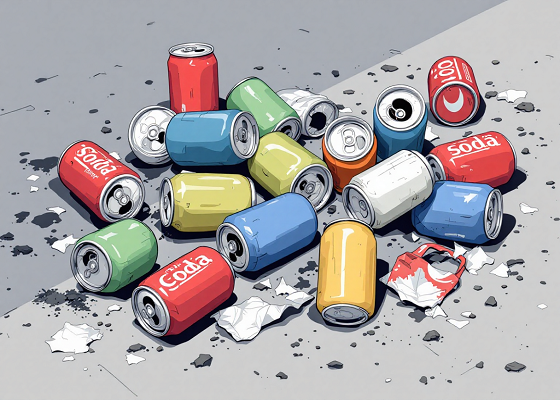
Aluminum beverage cans are one of the most common forms of recyclable packaging in circulation today. However, their recycling process is not always straightforward. Many cans arrive at sorting facilities or recycling centers still containing leftover liquids. These residues not only add unnecessary weight but also cause hygiene problems, attract pests, and create unpleasant odors. Moreover, liquid-filled cans can lead to contamination during transport or damage equipment in downstream processing. To address these challenges, aluminum cans dewatering technology has become an essential part of modern recycling systems, helping operators recover clean, dry metal while reducing disposal and handling costs.
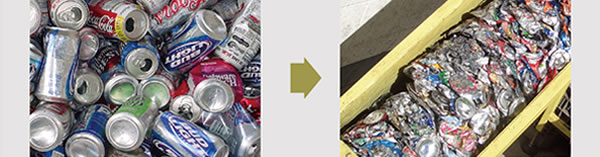
The aluminum cans dewatering machine works by mechanically compressing the cans to remove the residual liquids before the metal recycling stage. Using a combination of pressure and drainage, the system separates beverage waste from the aluminum shells. This process not only improves cleanliness but also increases recycling efficiency by preventing the mixing of organic materials with metallic fractions. The recovered liquid can then be treated or disposed of properly, ensuring compliance with environmental regulations. For recyclers, waste collectors, and beverage manufacturers, the ability to handle wet cans efficiently means a cleaner, safer, and more profitable recycling stream.
A notable example of this process in action can be seen through the GREENMAX P Series dewatering machine, which has been adopted by several recycling operators dealing with large volumes of aluminum cans. In one case, a facility partnered with a beverage distributor to process returned and expired canned drinks. Previously, the company struggled with storage and transportation problems due to leaking cans and sticky residues. After installing the P Series unit, they began feeding the cans directly into the dewatering chamber, where the machine efficiently separated liquid from solid material. The beverages were collected through a drainage system while the aluminum was compacted into manageable pieces, ready for smelting or transport to a recycling plant.
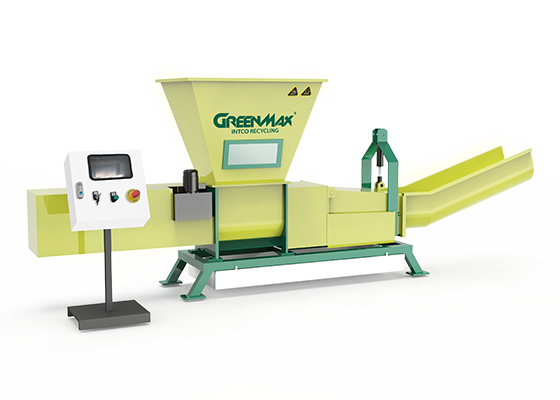
This installation transformed their operations. The space once occupied by bulky, wet waste was replaced by neat stacks of dewatered aluminum. The facility reported a significant drop in odor issues and improved workplace hygiene. At the same time, transportation costs decreased because the cans, now free of liquid, weighed considerably less. The operator also found new opportunities to sell the compacted material directly to metal recyclers at a better rate, since the material was clean and consistent.
Beyond economic savings, the environmental benefits were clear. By ensuring that liquids were properly separated, wastewater generation and secondary pollution risks were minimized. The aluminum cans dewatering process also reduced the need for manual sorting, protecting workers from exposure to spilled beverages and bacteria. In combination with broader recycling efforts, this technology represents a key link between waste reduction and material recovery, demonstrating how mechanical innovation can turn a messy challenge into a sustainable opportunity.