
 Select Language
 English
A sustainable solution for recycling waste EPE foam packaging in the home industry using the EPE Recycling Machine.
In the home furnishings industry, products such as sofas, mattresses, cabinets, lighting, and decorative items typically use EPE (Expandable Polyethylene) foam materials as protective packaging during transportation. This foam is soft, impact-resistant, and moisture-proof, effectively preventing damage to products during transportation and storage. However, a large amount of EPE packaging is discarded after delivery, and if not handled properly, it not only occupies significant storage space but also exerts long-term pressure on the environment.
To address this issue, using EPE recycling machines for recovery treatment has become an important means for the home furnishings industry to improve resource utilization and reduce waste.
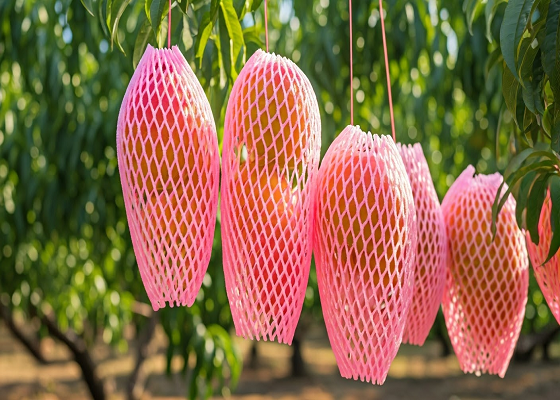
Characteristics of EPE Foam Waste Packaging in the Home
Furnishing Industry: Large volume and light weight: Good protection during transport, but takes up a lot of space when discarded, leading to high storage and transport costs.
Stable material: Chemically stable, difficult to naturally degrade, and will persist for a long time if landfilled.
Centralized sources: Waste generated at production manufacturers, logistics centers, and furniture markets is relatively concentrated, making it easier to manage recycling.
Working Principle of EPE Recycling Machine
The EPE recycling machine typically includes three main stages:Crushing - Compacting/Hot Melting - Reforming:
Crushing: This process reduces large volumes of discarded EPE foam into small pieces or granules for easier subsequent processing.
Compacting/Hot Melting:- Cold-pressing Equipment: Uses a high-pressure screw or hydraulic system to compress EPE foam into high-density blocks, reducing volume for convenient storage and transportation.
Hot Melting Equipment: Heats and softens the foam, then extrudes it into strips or blocks with higher density, making it easier for further processing.
Reforming and Reuse: The recycled material after compacting or hot melting can be processed into plastic pellets for producing recycled plastic products such as hangers, gardening trays, building decorative panels, etc.
.jpg)
The Value of Recycling
Save on Storage and Transportation CostsBy compressing the volume with recycling machines, the transportation efficiency of discarded EPE is increased several times, reducing warehouse space.Lower Disposal Expenses for Businesses
This reduces the costs associated with landfill or incineration disposal, while also mitigating the risk of environmental penalties.Generate Revenue from Recycled Materials
The high-density EPE blocks processed by recycling machines can be directly sold to recycling plastic processing plants, realizing resource monetization.
Enhance Environmental Image
Home brands can showcase sustainable development concepts through the establishment of a recycling system, enhancing consumer trust.Application Models in the Home Furnishing Industry
Internal Recycling by Manufacturers
Furniture manufacturers concentrate on handling production waste and returned packaging to reduce workshop garbage. Recycling at Sales
Outlets and Logistics Centers
In the distribution and installation stages, customers' discarded packaging is collected and uniformly returned to the recycling center for processing.Collaboration with Recyclers
Discarded packaging is handed over directly to professional recycling companies that have EPE recycling machines, forming long-term partnerships.
.jpg)
Future Development Trends
As global environmental protection regulations become stricter and consumer awareness of environmental issues rises, EPE foam recycling in the home furnishing industry will shift from being "optional" to "mandatory." In the future, EPE recycling machines will become more intelligent and energy-efficient, even equipped with AI sorting and IoT monitoring functions, achieving full-process traceable management from collection to recycling.
Utilizing EPE recycling machines to recycle EPE foam waste packaging in the home furnishing industry not only reduces operational costs for companies but also promotes the development of a circular economy, mitigating the impact of plastic waste on the environment. Introducing recycling mechanisms throughout the entire furniture manufacturing, sales, and logistics chain will create greater economic and environmental value for the industry.