 Select Language
 English
Recycling Styrofoam waste from fishing operations and fish product endpoints using a Styrofoam Compactor
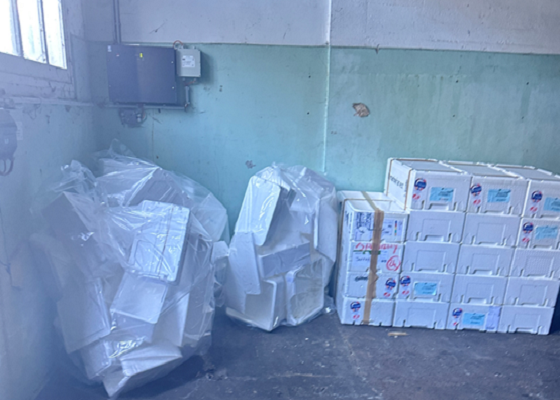
In the fishing and fish product processing industries, Styrofoam is widely used as fish boxes, insulation containers, and transportation packaging. This material is highly relied on by the fishing industry because of its lightness, heat insulation, and low cost. However, after the product is used, a large amount of discarded Styrofoam is randomly discarded or landfilled, leading to the following problems:
Marine pollution affects the ecosystem;
The pile is fluffy and occupies a lot of space;It is difficult to degrade naturally, causing a long-term environmental burden;
The cost of garbage cleaning around fishing ports and processing plants is high.
Therefore, it is imperative to establish an efficient Styrofoam recycling mechanism.
Recycling principle and advantages of Styrofoam Compactor
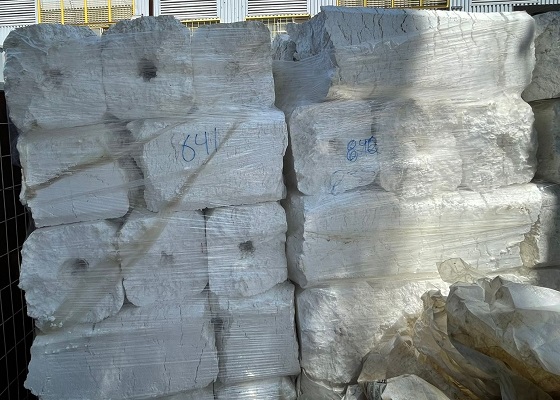
Styrofoam Compactor is a device designed to reduce the volume of Styrofoam and improve transportation and recycling efficiency. It is suitable for deployment in terminal locations such as fishing ports, cold chain warehouses, and fish processing plants.GREENMAX styrofoam compactor can achieve a volume reduction ratio of up to 50:1, greatly reducing transportation costs; if you purchase a styrofoam compactor, you can avoid secondary pollution, and the on-site compression is immediately processed; it is convenient for subsequent recycling (such as granulation and re-molding); it has a high degree of automation and is easy to operate, suitable for fishermen and workers, and is safe and easy to operate.
In the fisheries and fish product production chain, Styrofoam Compactors can be widely deployed at the following nodes:
- Processing centers after deep-sea fishing vessels dock
- Immediate handling of foam fish boxes after unloading from fishing boats to avoid accumulation at the port.- Refrigeration workshops in fish product processing factories
- Directly compressing foam waste generated during receiving and repackaging processes.
- Fishing port distribution centers or trading markets
- A large amount of discarded fish boxes left after daily sales, centralized processing improves efficiency.
- Islands and coastal aquaculture bases
- Difficulties in local Styrofoam transportation make it easier to export after volume reduction processing.
.jpg)
A large fishing port processes more than 3 tons of Styrofoam fish boxes daily. Previously, they relied on manual stacking and truck transport, which led to high transportation costs and significant pressure on the storage yard. The port has installed two Styrofoam compactors, where port workers concentrate the waste boxes after unloading from fishing boats, compressing about 1.2 tons of high-density foam bricks per day. They cooperate with downstream recycling plants, which pay by the kilogram for recycling to be used for pelletizing.
In the future, as the concepts of green fisheries and sustainable development become more entrenched, Styrofoam compactors will be implemented in more marine and fishery scenarios, helping the industry achieve clean production while gaining economic benefits and social recognition.